
Introduction
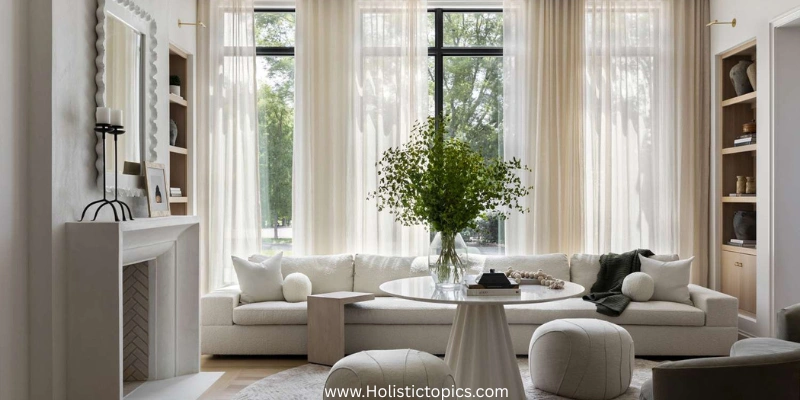
A home should feel peaceful, comfortable, and easy to live in. Yet for many people, the constant buildup of clutter makes rooms feel crowded and stressful. This is where a simple minimalist home checklist becomes powerful. It helps you clear your space step by step and create a home that feels calm and refreshing.
Minimalism is not about having an empty home. It is about removing the extra so what matters can shine. When your rooms are lighter and cleaner, your mind feels the same way.
What a Minimalist Home Means
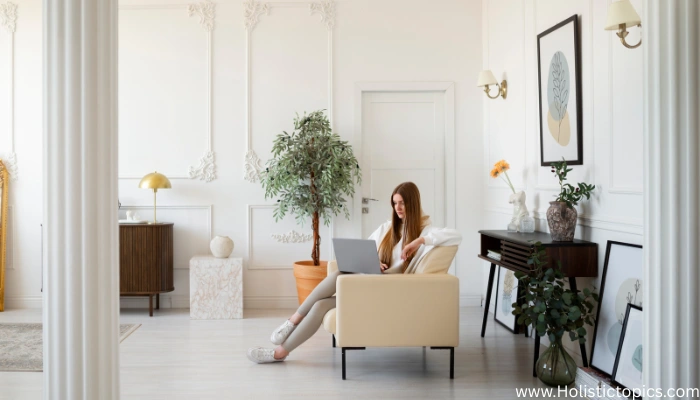
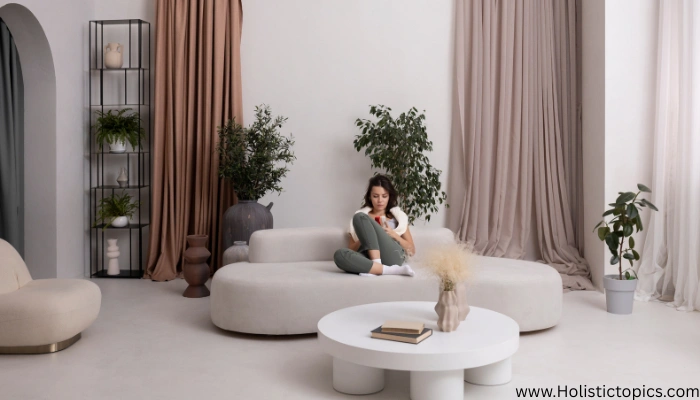
A minimalist home is a space filled only with what you use, love, and value. It is not based on strict rules or extreme decluttering. It is about making your home support your lifestyle instead of draining your energy.
Research from the University of California, Los Angeles, found that clutter increases stress hormones in homes.
This connection between clutter and stress is the main reason people want a cleaner and simpler home. A minimalist space gives your mind room to breathe. It replaces pressure with peace.
Why a Minimalist Home Checklist Helps
Trying to declutter an entire home at once can feel overwhelming. Most people start with motivation but lose direction because they do not know what to handle first. A minimalist home checklist brings structure to the process.
Instead of guessing where to begin, you follow a clear path from room to room. This keeps your focus strong and prevents emotional burnout. It also helps you build momentum because you see progress after every small step.
A good checklist also prevents common mistakes like moving clutter from one room to another or buying storage before decluttering. With a system in place, everything becomes easier.
How to Start Decluttering with a Clear Mind
Before you touch any item, pause and set your intention. A simple question like “What do I want my home to feel like?” can guide everything you do next. Some people want a relaxing space. Others want a home that is easier to clean. Some want more room for movement or more time with family instead of managing objects.
Walk through each room and notice what feels heavy or unnecessary. This first walk gives you an honest look at what is working and what is not.
To prepare, gather three items: a donation box, a trash bag, and a keep basket. Having these nearby helps you stay organized and prevents items from piling up. If you feel overwhelmed, set a twenty-minute timer. Working in short sessions keeps your mind fresh and focused.
Minimalist Home Checklist for Every Room
This minimalist home checklist is simple and clear. Each room has its own purpose, so the steps focus on what will bring the biggest transformation with the least stress.
Living Room
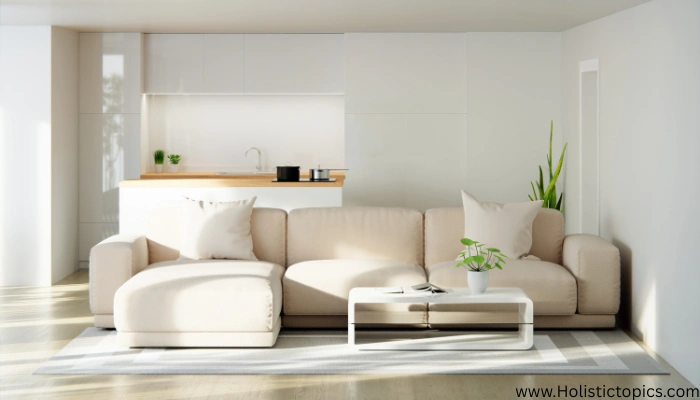
The living room should feel open and welcoming. Start by clearing your tables and shelves for a fresh look. A room looks instantly cleaner when surfaces are free from piles or scattered objects. Look for items you rarely use, such as extra decor pieces, old magazines, or unused blankets. When these are removed, the room begins to breathe again.
Keep only decor that brings joy or meaning. Focus on arranging furniture in a way that supports movement and comfort instead of filling empty spaces.
Kitchen
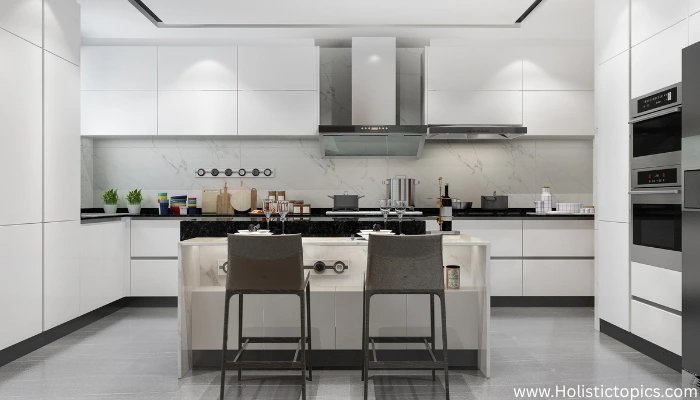
Kitchens often become cluttered without people noticing. Start with the countertops. A clear surface makes your entire kitchen look bigger and more functional. If something is not used daily, store it inside a cabinet.
Next, open your drawers. Many homes have duplicate tools and forgotten gadgets. Choose the items you use most and let the rest go. Cleaning the pantry also brings quick results. Remove expired items or food you know you will not use.
For more kitchen guidance, you can refer to The Spruce
Bedroom
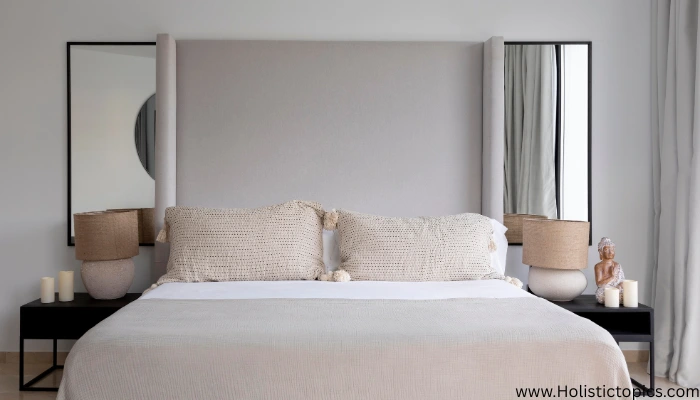
Your bedroom should help your mind rest. Begin with the nightstands. Remove receipts, empty bottles, old chargers, and anything that adds visual noise. Then go through your wardrobe. A lot of people hold on to clothes they no longer wear. Keeping only what fits your life creates calm and clarity.
Simple decor, soft lighting, and clear surfaces make the bedroom feel peaceful. A minimalist bedroom improves both sleep and mood.
Bathroom
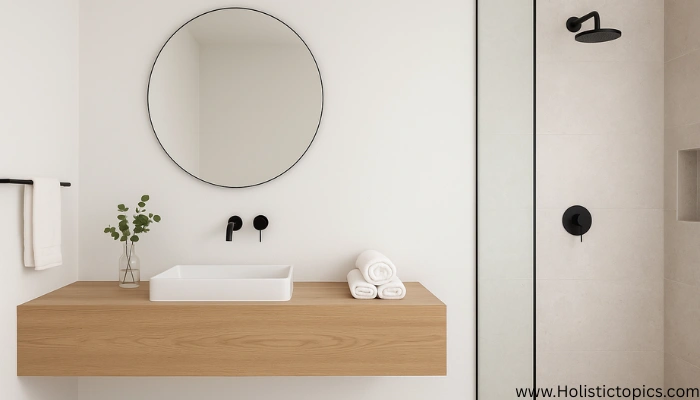
Bathrooms easily fill with half-used products and items you forgot you owned. Take each shelf and drawer one at a time. Remove expired skincare, old makeup, and empty bottles. Keep only the essentials you use daily. A simplified bathroom makes your morning routine smooth and stress-free.
Closet
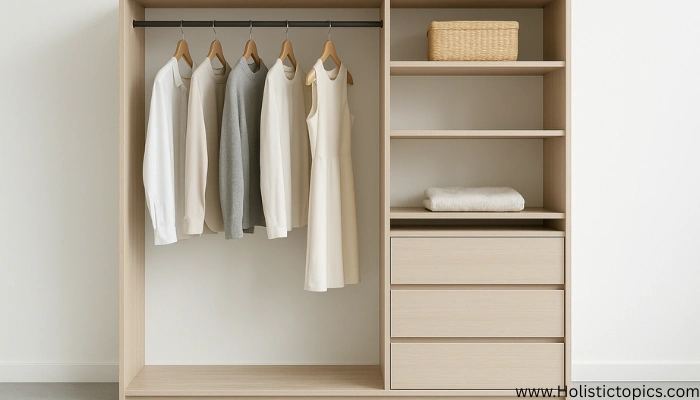
The closet can be one of the most transformative areas. Start with the one-year rule. If you have not worn it in a year, it probably does not support your current lifestyle. Remove damaged, tight, or uncomfortable items. Matching hangers and simple folding create a clean and uniform look that saves time every day.
Entryway
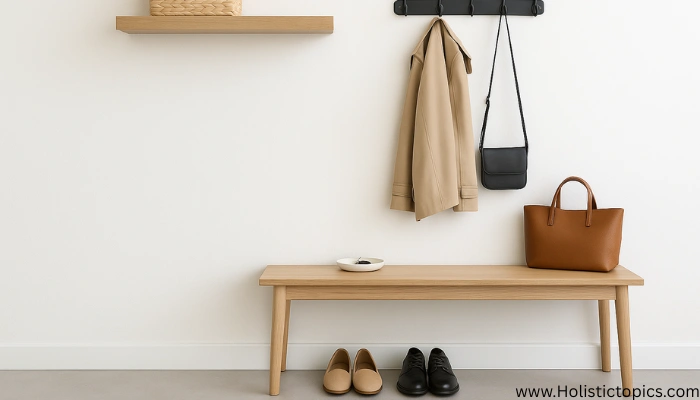
This spot creates the first impression when you enter your home. Keep only essential shoes, a designated spot for keys, and a small space for daily bags. A simple entryway makes coming and going feel peaceful and organized.
Minimalist Home Decluttering Tips
Decluttering becomes much easier when you focus on habits instead of perfection. One helpful principle is to remove clutter before thinking about storage. Storage does not fix clutter. It hides it. When you declutter first, you often realize you do not need extra containers at all.
Another helpful idea is to remove items that bring guilt or stress. Many people keep objects they no longer use because they feel bad letting them go. If an item weighs on your mind, it is not adding value to your home.
Natural light also supports a calm environment. When windows are clear, and curtains are simple, your home feels open, warm, and more inviting.
How to Organize a Minimalist Home
Organizing a minimalist home works best when every item has a clear and intentional place. Keep the things you use daily within easy reach so your routines stay smooth. Items you use less often can be stored on higher shelves or inside cabinets to keep your main areas uncluttered.
Try to keep most surfaces open. Clear spaces make your rooms feel brighter, calmer, and easier to clean. You can also use a few small baskets or trays to group similar items together. This helps your home remain organized longer.
Do not aim for complicated systems. A simple organization stays consistent and makes your home easy to manage over time.
Minimalist Home Ideas for Stress-Free Living
Small daily habits make a big difference. Making your bed, keeping the sink clear after meals, and doing a short nightly reset help your home stay calm without much effort.
Choosing neutral colors can also create a peaceful atmosphere. Natural materials like cotton, wood, and indoor plants bring warmth without adding clutter.
Psychology Today explains how decluttering supports emotional health:
How to Keep Your Home Simple Long Term
Keeping your home simple is easier when minimalism becomes part of your lifestyle. Review your items every few months. A small donation box in your closet makes the process effortless. When you no longer need something, you already have a place to put it.
A nightly reset helps maintain balance. This routine takes only a few minutes and prevents clutter from building up. Buy new items with intention. Ask yourself if the item will improve your life or solve a real problem. When you shop with purpose, your home stays clean and peaceful without effort.
Conclusion
This minimalist home checklist gives you a clear and simple path to create a peaceful and clutter-free home. When you follow these steps, you not only simplify your rooms but also improve your daily comfort and mental well-being. Research shows that living in a clean and organized space reduces stress and brings more clarity to your life. With small habits and mindful choices, you can keep your home calm, easy to maintain, and aligned with the life you want to live.
Frequently Asked Questions
1. How do I start with a minimalist home checklist
Start with one small area and use simple categories like keep, donate, and remove. This helps you gain momentum.
2. What is the fastest way to declutter
Work in short bursts and handle one small area at a time. This makes the process easier and keeps you motivated.
3. How can I create a minimalist home without buying anything
Declutter first, reorganize what you already own, and use simple storage ideas.
4. How often should I check my home for clutter?
Review items every few months to maintain a clean and simple home.
5. Is a minimalist home suitable for families
Yes. Minimalism makes cleaning easier, reduces stress, and supports better daily routines for families.
