
Introduction
A plant-based diet focuses mainly on fruits, vegetables, whole grains, beans, lentils, seeds, and nuts. Many people are choosing this lifestyle because of the proven benefits of a plant based diet on health, including better digestion, improved heart health, and steady energy levels.
The plant based diet benefits go beyond weight management and digestion. Many people also experience improved heart health, better mood, and long-term wellness through the benefits of plant based eating.
Research shows that eating more plant foods and fewer processed or animal-based products can support both physical and mental well-being. Let us explore how the benefits of plant based diet on health can help you build a stronger body and a healthier lifestyle.
What is a Plant-Based Diet?

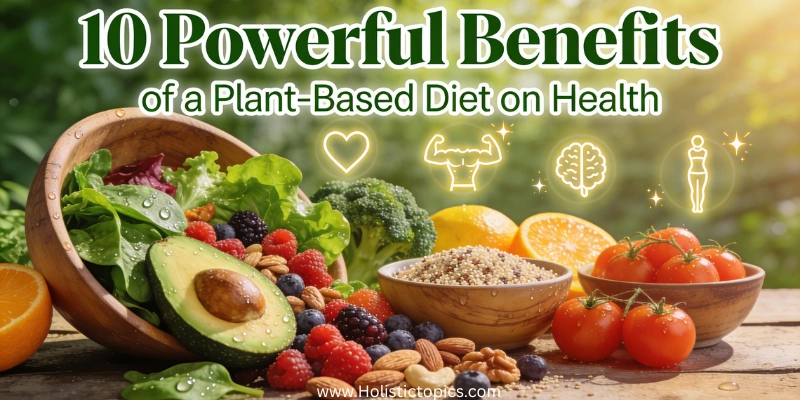
A plant-based diet is a way of eating that focuses mainly on foods that come from plants, such as fruits, vegetables, whole grains, legumes, nuts, and seeds. Instead of relying heavily on meat or processed foods, this diet encourages choosing natural, whole plant foods as the foundation of daily meals.
Unlike strict vegan diets, a plant-based diet does not always require eliminating animal products completely. Many people follow it by simply increasing plant foods on their plate while reducing meat, dairy, and highly processed items.
Examples of plant-based foods:
- Fruits
- Whole grains such as oats or quinoa
- Vegetables
- Beans and legumes
- Nuts and seeds
A plant-based diet can be flexible. Some people follow it completely, while others keep a mix of both plant foods and occasional dairy or meat.
10 Powerful Benefits of a Plant Based Diet on Health
Understanding the benefits of a plant-based diet on health helps explain why this way of eating is recommended by nutrition experts worldwide. A diet rich in whole plant foods provides essential nutrients, fiber, and antioxidants that support long-term wellness and disease prevention.
The following benefits highlight how choosing more plant-based foods can positively impact both physical and mental well-being.
1. Supports Healthy Weight
Plant-based foods are naturally higher in fiber and lower in calories. They help you feel full longer while reducing cravings.
A study from the National Institutes of Health found that people on a plant-focused diet lost more weight compared to those on traditional diets.
Good foods for weight loss
- Beans
- Berries
- Leafy greens
- Whole grains
2. Improves Heart Health
Heart disease is the leading cause of death worldwide. A plant based diet keeps cholesterol levels low and improves blood pressure.
According to Harvard Health, plant-based eaters have a lower risk of heart disease because plants contain fiber, antioxidants, and zero trans fats.
Eat more
- Avocado
- Oats
- Nuts
- Olive oil
3. Reduces Risk of Type 2 Diabetes
A plant-based diet lowers blood sugar spikes and improves insulin sensitivity.
Research by the American Diabetes Association shows that people who follow plant-based eating patterns have a 34 percent lower risk of developing type 2 diabetes.
4. Boosts Digestive Health
Fiber-rich foods help maintain smooth digestion and prevent constipation.
Benefits for digestion
- Better bowel movement
- Balanced gut bacteria
- Lower risk of colon cancer
Sources like fruits, oats, lentils, and chia seeds can improve gut health naturally.
5. Improves Skin Glow and Anti-Aging
Plant based foods are high in antioxidants that help repair skin cells and slow down aging.
Skin-friendly plant foods
- Carrots
- Sweet potatoes
- Oranges
- Almonds
Antioxidants reduce wrinkles and make skin look fresh and hydrated.
6. Increases Energy Levels
Plants provide slow energy-releasing carbs, which keep you active throughout the day. Unlike sugary snacks, plant foods maintain stable energy.
Green smoothies or fruit bowls make perfect energy-boosting snacks.
7. Strengthens Immunity
Plants are naturally rich in vitamins like vitamin C, vitamin A, iron, and zinc. They support the immune system and fight infections.
Foods that improve immunity
- Citrus fruits
- Ginger
- Turmeric
- Spinach
These foods are packed with phytonutrients that protect your body at the cellular level.
8. Supports Mental Health
A plant based diet may help reduce stress and improve focus.
A report published on PubMed shows that eating vegetables and fruits reduces symptoms of depression and boosts mood.
Foods that boost mental wellness
- Leafy greens
- Walnuts
- Berries
9. Reduces Inflammation
Inflammation causes joint pain, fatigue, and chronic diseases. Plant-based foods reduce inflammation because they contain natural antioxidants and minerals.
Top anti-inflammatory foods
- Turmeric
- Berries
- Flax seeds
10. Helps Increase Longevity
People living in Blue Zones areas where people live longer, are known to eat plant rich diets.
Eating more plants can increase your life span by reducing chronic disease risk.
Simple Plant-Based Beginner Tips
A plant based diet for beginners does not require perfection. Starting with simple meals made from fruits, vegetables, grains, and legumes helps the body adjust gradually.
These simple tips highlight the practical benefits of plant based eating and help beginners build healthier habits without feeling restricted.
- Replace dairy milk with almond or oat milk for daily use
Plant-based milk options are easier to digest and contain no cholesterol. This simple swap helps beginners reduce saturated fat intake without changing taste too much. - Add at least one salad a day
Including a daily salad increases fiber, vitamins, and antioxidants. It also helps your body adjust slowly to eating more plant foods without feeling overwhelmed. - Use beans instead of meat in one meal
Beans provide protein, fiber, and long-lasting energy. Replacing meat with beans in just one meal makes the transition easier while supporting digestion and heart health.
Sample One-Day Plant Based Meal Plan
Breakfast
Oats with bananas and chia seeds
Lunch
Brown rice with mixed vegetables and lentils
Snack
Fruit bowl with nuts
Dinner
Quinoa with stir-fried veggies
Safety Disclaimer: This article is for educational purposes only and does not provide medical advice. It is best to seek guidance from a qualified healthcare professional before changing your diet.
Conclusion
Switching to a plant based lifestyle can bring meaningful improvements to overall well-being. The benefits of a plant based diet on health include better digestion, improved heart health, balanced energy levels, and reduced inflammation. These changes support long-term wellness and help lower the risk of chronic health conditions.
You do not need to change everything overnight. Start with small steps by adding more fruits, vegetables, whole grains, and legumes to your meals. Over time, these habits allow you to experience the full benefits of plant based eating and enjoy lasting plant based lifestyle benefits naturally and sustainably.
FAQs
Q1. Can I get enough protein on a plant-based diet?
Yes. Beans, lentils, tofu, quinoa, and nuts all contain protein.
Q2. Is a plant-based diet safe for children?
Yes, if meals are balanced. Consult a pediatrician if needed.
Q3. How soon will I see results?
Many people notice more energy within 7 to 14 days.
Q4. Can I eat plant-based on a budget?
Yes. Rice, beans, and seasonal vegetables are affordable.
Q5. Does a plant-based diet help reduce belly fat?
Yes. High-fiber foods reduce cravings and boost fat burning.
