
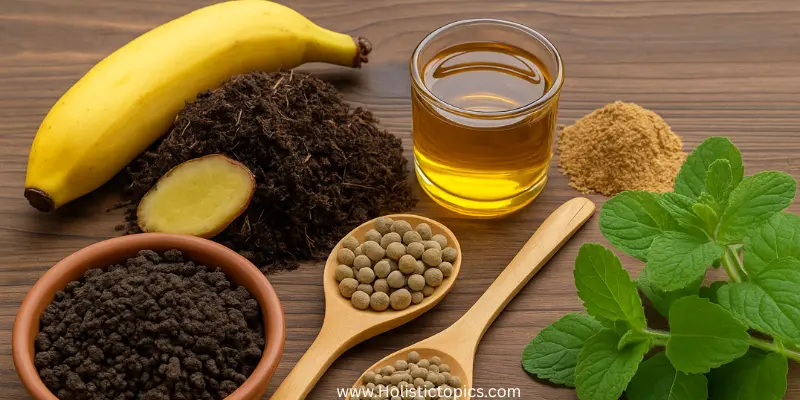
Introduction
Plants need more than sunlight and water. They need nutrients from the soil. When you choose the best organic plant food, plants grow faster and produce fresh leaves, flowers, or fruits. Organic plant food builds soil health and feeds the plant slowly, which leads to stronger growth.
What is Organic Plant Food
Organic plant food is a natural fertilizer made from materials such as compost, seaweed, bone meal, or plant leftovers. It feeds the soil, which then feeds the plant. Unlike chemical fertilizers that give quick results but harm soil life later, organic plant food improves soil quality with every use.
Organic fertilizer adds microbes and helpful bacteria to the soil. These microbes break down nutrients so the plant roots can absorb them easily.
Why Choosing the Right Plant Food Matters
The right plant food changes the way your garden grows.
Here is what happens when plants receive proper nutrients
- Faster growth of leaves and roots
- Stronger stems
- More flowers and fruits
- Higher resistance to pests and diseases
Plants become stronger because organic nutrients support the soil life under the surface.
Compost for Plants
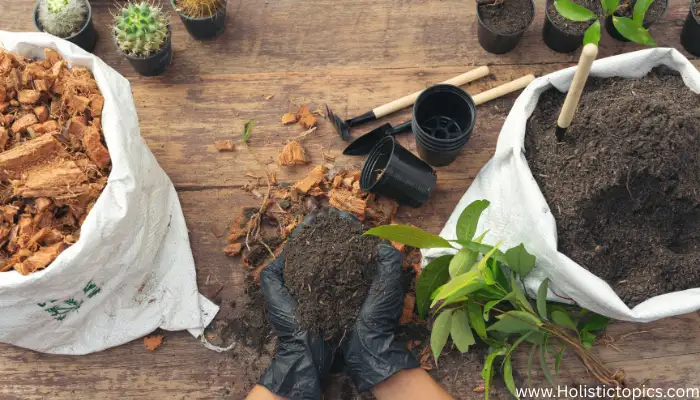
Compost is the most popular organic plant food. It is made from decayed kitchen waste, plant leaves, grass clippings, and other organic matter. Compost improves soil texture, which allows roots to grow deeper and absorb more nutrients.
Benefits of compost
- Improves soil drainage
- Holds water longer in dry months
- Provides slow-release nutrients
- Encourages earthworms and microbes
The United States Environmental Protection Agency explains how composting helps soil health:
How to use compost
- Spread one layer of compost near the plant base
- Mix it with the topsoil
- Water the soil
Compost works best when used every month during the growing season.
Fast Growth Fertilizer
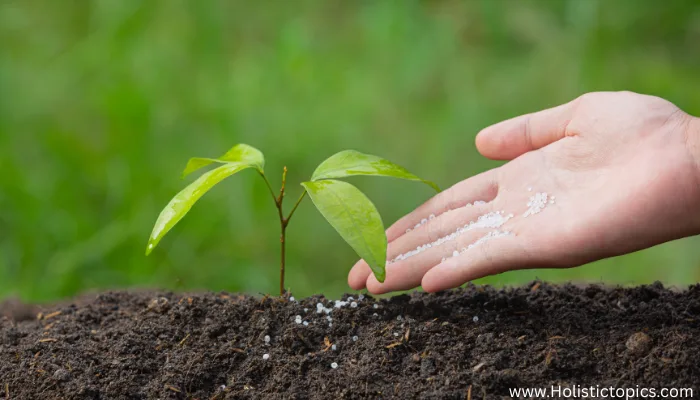
Organic fertilizers that help plants grow faster are called fast growth fertilizers. They give plants a quick nutrient boost and improve root development.
The best fast-growth fertilizers include
- Worm castings
- Fish emulsion
- Liquid seaweed
These fertilizers release nutrients quickly into the soil. They are rich in nitrogen, which promotes green leaf growth and strong stems.
When should you use fast growth fertilizer
- When plants look pale or weak
- When starting seeds
- After transplanting plants
- During the main growing season
Tip Use fast growth fertilizer in the morning so the nutrients reach the roots faster.
Types of Organic Plant Food
Worm Castings
Worm castings are natural soil boosters created by earthworms. They contain nitrogen, which helps plants turn green quickly.
Benefits of worm castings
- Reduces soil compaction
- Improves root growth
- Prevents nutrient burn
Seaweed and Kelp Fertilizer
Seaweed fertilizer contains natural growth hormones and trace minerals. It boosts flowering and root strength.
Source: National Oceanic and Atmospheric Administration on seaweed
Bone Meal
A powder created from crushed animal bones is called bone meal. It contains high phosphorus, which supports flower development and healthy roots. Best for roses and root vegetables such as carrots.
Fish Emulsion
Fish emulsion is a liquid fertilizer made by breaking down fish waste. It acts fast and gives visible growth in a week.
Best for
Vegetables, leafy greens, potted plants.
How to Identify the Best Organic Plant Food
Use this simple checklist before buying any fertilizer.
✅ Check for organic certification
✅ Ingredients must be natural and readable
✅ Look for slow-release nutrients
✅ Choose the correct NPK ratio based on plant type
NPK means nitrogen, phosphorus, and potassium.
| Plant Type | Best NPK Ratio |
| Leafy plants | High Nitrogen |
| Flowering plants | High Phosphorus |
| Fruit plants | Balanced NPK |
Step by Step How to Use Organic Plant Food
Follow this easy method to feed plants.
- Remove dry leaves near the plant base
- Loosen the soil surface with a small trowel
- Add organic plant food around the plant
- Water gently so nutrients move into the soil
Important
Do not place fertilizer directly on the stem.
Frequency of feeding
Every 2 to 4 weeks, depending on plant type.
Common Mistakes to Avoid
Mistake 1
Overfeeding plants
Even organic fertilizer can harm the plant if used too much.
Mistake 2
Watering at night
Wet soil plus cool temperature can cause fungal problems.
Mistake 3
Mixing too many fertilizers
Always allow plants time to adapt.
Best Natural Sources of Plant Food
These are simple plant foods you can make at home.
Banana Peels
Rich in potassium. Helps in flower and fruit growth.
Eggshell Powder
Eggshells contain calcium. Crush them and mix with soil to prevent blossom end rot in tomatoes and peppers.
Used Coffee Grounds
Coffee grounds add nitrogen and improve soil structure. Best for acid loving plants like roses and hydrangea.
Source:
University of Arizona Master Gardener Education
Conclusion
Organic plant food helps plants grow faster, healthier, and stronger without chemicals. Compost improves the soil over time, and fast-acting natural fertilizers like worm castings, fish emulsion, and liquid seaweed boost plant growth quickly. When you feed the soil with natural nutrients, your plants reward you with deeper green leaves, stronger roots, and more flowers or fruits.
Start small, feed regularly, and watch your garden thrive.
FAQ’s
Q1. What is the best organic plant food for fast growth?
Worm castings and fish emulsion give the fastest growth response.
Q2. How often should I use organic plant food?
Once every 2 to 4 weeks, depending on the plant and season.
Q3. Can compost replace plant fertilizer?
Yes. Compost improves soil and provides nutrients, but slow-release fertilizers like fish emulsion can help with fast growth.
Q4. What is the best organic fertilizer for flowers?
Bone meal and banana peel fertilizer are best for flower growth.
Q5. What is the best fertilizer for indoor plants?
Worm castings are odor-free and improve soil health.
