
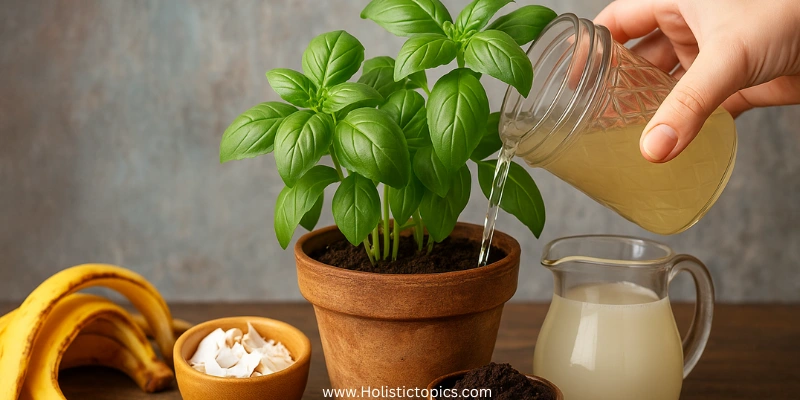
DIY organic plant food is one of the easiest ways to improve plant growth naturally. Plants need more than sunlight and water. They also need nutrients that support strong roots, healthy leaves, and steady flowering. When you use DIY organic plant food made from simple kitchen waste, you feed the soil with natural minerals and good microbes. This improves soil health week after week and helps plants grow faster without chemicals.
This complete guide explains how to make organic plant food at home, how to use homemade organic plant feed the right way, and which DIY fertilizer recipes give the best results for both indoor and outdoor plants.
Why DIY Organic Plant Food Helps Plants Grow Faster
Traditional chemical fertilizers may give quick results, but they weaken the soil over time. DIY organic plant food improves soil structure and supports long-term plant health. Organic feeding encourages soil microbes, increases nutrient availability, and promotes deeper and stronger root systems.
Benefits of Using Homemade Organic Plant Feed
- Safe for home gardens and indoor plants
- Helps reduce kitchen waste
- Saves money
- Builds long-lasting soil fertility
- Supports natural plant immunity
Plants fed with DIY organic plant food develop thicker stems, greener leaves, and stronger flowers.
Essential Nutrients Plants Need
Healthy plant growth depends on three major nutrients.
Nitrogen
Supports leaf and stem growth. Best for leafy greens like spinach, herbs, and mint.
Phosphorus
Strengthens roots and improves flowering. Essential for tomatoes, peppers, and flowering plants.
Potassium
Improves plant immunity, fruit quality, and overall health. Useful for fruiting plants like cucumbers and gourds.
Plants also need micronutrients such as calcium, magnesium, and iron. DIY organic plant food can provide all of these naturally.
Homemade Organic Plant Feed Basics
Homemade organic plant feed works slowly and steadily. It nourishes soil life, which then feeds the plant naturally. You can use common kitchen waste, compost, or natural minerals to create organic fertilizer.
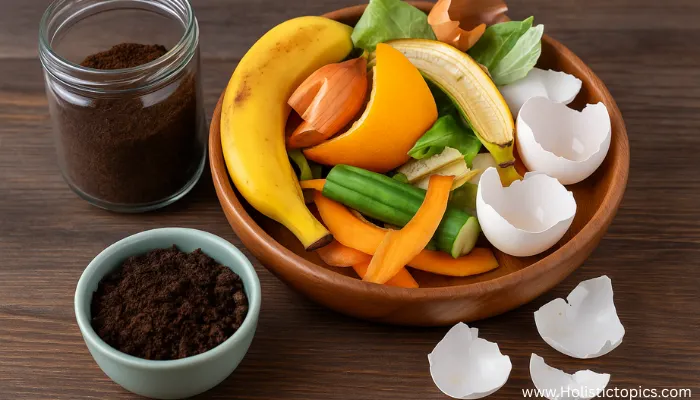
Useful Items for DIY Organic Plant Food
- Vegetable scraps
- Fruit peels
- Coffee grounds
- Eggshells
- Banana peels
- Onion skins
- Rice water
According to the United States Environmental Protection Agency, compost made from kitchen scraps improves soil texture, increases nutrient availability, and boosts soil microbes.
How to Make Organic Plant Food at Home
Anyone can make organic plant food at home with simple items like jars, containers, fruit peels, and leftover water.
Items You Can Collect Daily
- Banana peels for potassium
- Eggshells for calcium
- Coffee grounds for nitrogen
- Onion skins for micronutrients
- Rice water for root development
Collect these items and store them in a container until you are ready to prepare your DIY organic plant food.
Best DIY Organic Plant Food Recipes
Below are the most effective and easy-to-use DIY organic plant food recipes for fast growth and healthier plants.
1. Banana Peel Fertilizer
Banana peels are rich in potassium, which helps plants produce strong flowers and fruits.
How to Prepare
- Cut banana peels into small pieces
- Soak them in water for 48 hours
- Strain the water
- Use it to water plants once a week
Best for flowering and fruiting plants.
2. Eggshell Calcium Powder
Eggshells add natural calcium to the soil and help prevent blossom end rot in tomatoes and peppers.
How to Prepare
- Wash the eggshells
- Dry them in the sunlight
- Grind into fine powder
- Add one tablespoon to the soil around each plant
A University of Arizona study supports using eggshells as a natural calcium source.
3. Compost Tea
Compost tea is full of beneficial microbes that improve soil life and support struggling plants.
How to Prepare
- Add two cups of compost to a cloth bag
- Tie it like a tea bag
- Place it in a bucket of water
- Let it soak for 24 hours
- Pour into the soil around plants
Use every two weeks for best results.
4. Coffee Ground Fertilizer
Coffee grounds provide nitrogen, which is essential for leafy plant growth.
How to Prepare
- Dry used coffee grounds
- Sprinkle lightly on the soil
- Mix gently and water
Excellent for roses, chili plants, and indoor plants.
5. Rice Water Root Booster
Rice water contains starch that improves soil microbes and supports root development.
How to Prepare
- Collect the water used to wash rice
- Dilute with equal parts water
- Water plants with the mixture once a week
- Do not store rice water for more than two days
Great for indoor plants and seedlings.
How to Use Homemade Plant Food Correctly
Step by Step
- Loosen the top layer of soil
- Pour liquid plant food slowly around the base
- For powder fertilizers, sprinkle around the roots
- Water lightly after applying nutrients
Important Notes
- Do not apply fertilizer to dry soil
- Do not overfeed plants
- Do not pour strong liquids on leaves unless safe
- Avoid using heavy-smelling liquids indoors
Both DIY organic plant food and homemade organic plant feed work best when the soil is moist.
Common Mistakes to Avoid
- Overfeeding plants
- Using too many fertilizers at the same time
- Applying fertilizer directly to leaves
- Using fermented liquids indoors
- Not watering the soil before feeding
Avoid these mistakes to maintain healthy plant growth.
Natural Sources and Scientific References
United States Environmental Protection Agency
Information on compost benefits and soil health.
University of Arizona
Research on eggshells and coffee grounds for plant nutrition.
National Oceanic and Atmospheric Administration
Information on seaweed and natural minerals.
These scientific sources support using natural methods to enrich soil and improve plant health.
Conclusion
DIY organic plant food is an easy and effective way to boost plant growth naturally. It enriches soil, reduces waste, and saves money. When you make organic plant food at home using simple items like banana peels, rice water, or eggshells, your plants grow stronger, greener, and healthier. Strong soil always produces strong plants.
Natural feeding creates natural growth.
Frequently Asked Questions
Q1. What is the best DIY organic plant food
Banana peel water and compost tea are the best because they support strong root and flower development.
Q2. How often should I use homemade organic plant feed
Use liquid fertilizers once a week and compost once a month.
Q3. Can I use kitchen waste directly in the soil
Yes, but dry it first or turn it into compost to avoid pests.
Q4. Which plants respond quickly to organic plant food
Tomatoes, peppers, and herbs show the fastest improvement.
Q5. Is homemade plant food safe for indoor plants
Yes. Coffee grounds, rice water, and worm castings work very well indoors.
