
Introduction
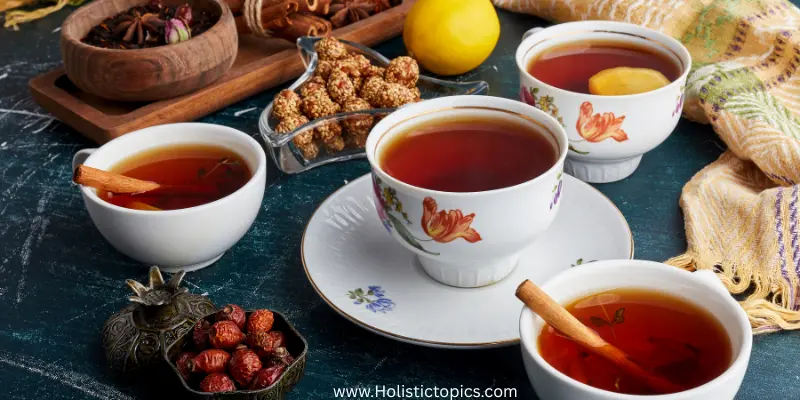
Across Asia, herbal teas have been trusted for thousands of years to calm the mind, support digestion, and boost overall wellness. These teas are made from natural herbs, flowers, spices, and roots that carry both cultural importance and science-backed benefits.
In this guide, you will explore the top seven Asian herbal teas, their benefits, and how to prepare them so you can easily add them to your daily routine.
Matcha Green Tea Japan
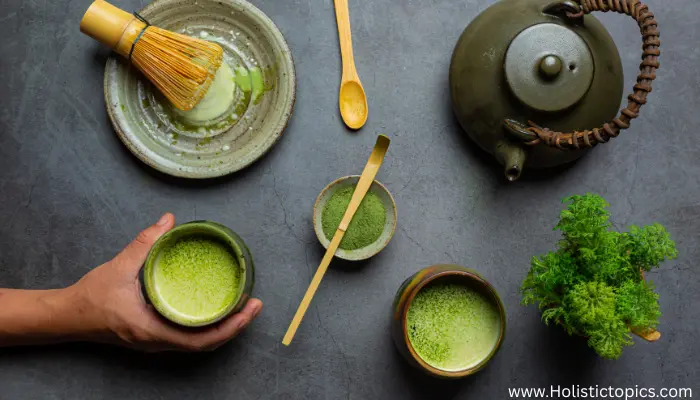
Matcha is a finely ground green tea powder enjoyed during Japanese tea ceremonies. Unlike regular tea, matcha allows you to consume the whole leaf, giving it a higher concentration of antioxidants, including EGCG.
Benefits
- Boosts energy without anxiety
- Improves focus and concentration
- Supports metabolism
According to a study published on PubMed, matcha contains high levels of EGCG, a plant compound linked to improved brain function.
How to prepare
Add 1 teaspoon of matcha to a bowl. Pour warm water (not boiling) and whisk until smooth and frothy.
Jasmine Tea China
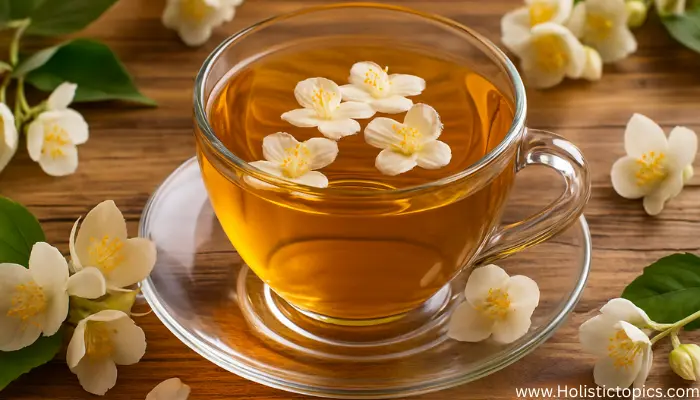
Jasmine tea is usually green tea infused with jasmine blossoms. It has a floral aroma and a refreshing taste.
Benefits
- Helps reduce anxiety
- Supports relaxation
- Improves digestion
How to drink
Steep jasmine tea leaves for 2 to 3 minutes. Enjoy without milk for the best flavor.
Ginger Tea Southeast Asia
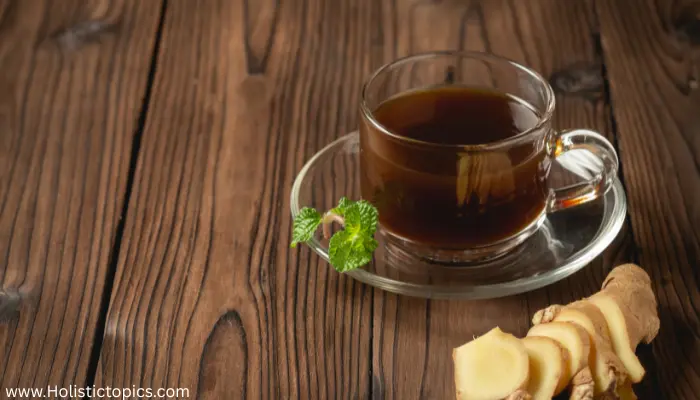
Ginger tea is one of Asia’s oldest natural remedies. It is commonly used before or after meals to support digestion.
Benefits
- Reduces bloating
- Helps with nausea
- Supports circulation
According to health research, ginger helps reduce inflammation and digestive discomfort.
How to drink
Boil ginger slices for ten minutes. Add honey or lemon for extra flavor.
Ginseng Tea Korea

Ginseng is a powerful herb in Korean traditional medicine, known for boosting stamina and cognitive function.
Benefits
- Improves energy levels
- Supports focus and memory
- Helps reduce fatigue
A clinical study shows that ginseng may improve mental performance and reduce tiredness.
How to drink
Simmer ginseng slices or a tea bag for about five minutes. Best enjoyed in the morning.
Tulsi Holy Basil Tea India
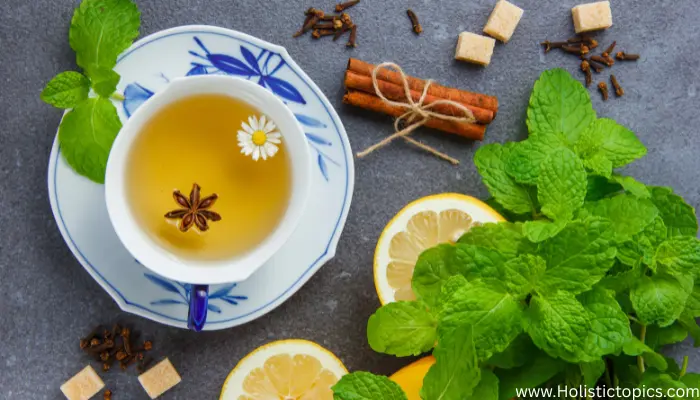
Tulsi (holy basil) is known in Ayurveda as the “queen of herbs.” It is widely used for stress relief and emotional balance.
Benefits
- Supports immunity
- Reduces stress and anxiety
- Naturally balances hormones
According to research, tulsi helps reduce stress levels by regulating cortisol, the stress hormone.
How to drink
Steep tulsi leaves or a tea bag for four minutes.
Chrysanthemum Tea China
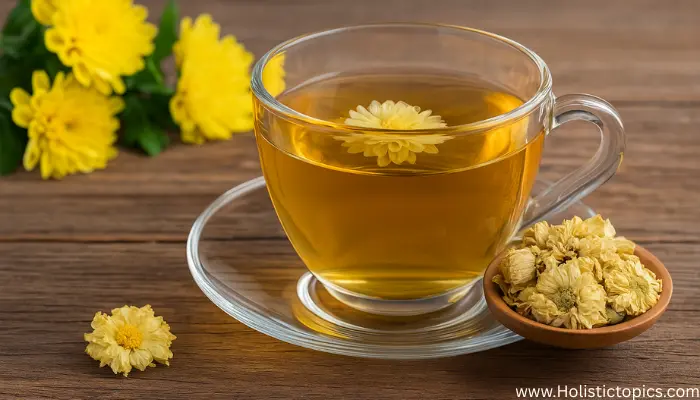
This floral tea is made from dried chrysanthemum flowers and is known for its cooling properties.
Benefits
- Helps with headaches
- Cools the body
- Supports eye health
A research review shows chrysanthemum may help reduce inflammation.
How to drink
Add dried flowers to hot water and steep for three minutes.
Lemongrass Tea Thailand
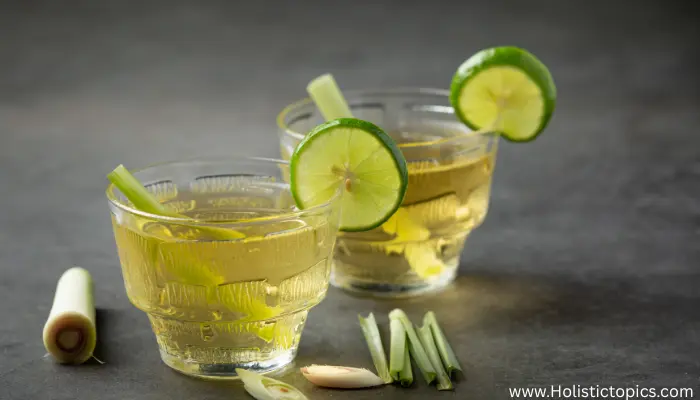
Lemongrass tea has a refreshing citrus-like flavor and is used for relaxation and digestion.
Benefits
- Supports digestion
- Reduces stress
- Helps detox the body
A study found that lemongrass extract may support healthy cholesterol levels.
How to drink
Boil chopped lemongrass for 5 to 7 minutes.
How to Choose the Right Tea for You
| Your Goal | Best Tea |
| Energy & focus | Matcha or ginseng |
| Digestion | Ginger or oolong |
| Stress relief | Tulsi or chrysanthemum |
| Inflammation | Turmeric tea |
Best Time To Drink Herbal Tea
| Time of Day | Tea Choice |
| Morning | Matcha or ginseng |
| Afternoon | Ginger or oolong |
| Evening | Tulsi or chrysanthemum |
Conclusion
Asian herbal teas are more than ancient traditions. They are powerful wellness tools that can help improve digestion, balance stress, and increase energy throughout the day. Adding even one of these teas to your routine supports a healthier, more mindful lifestyle.
Safety Disclaimer: This article is for educational purposes only and does not provide medical advice. Herbal teas may interact with certain medications or medical conditions. Always consult a healthcare professional before using herbal teas for health purposes.
FAQ‘s
Q1. Are herbal teas safe to drink daily?
Yes, most herbal teas are safe when consumed in moderation.
Q2. Can herbal teas replace supplements?
No, they support wellness but do not replace professional medical treatment.
Q3. Which tea is best for stress relief?
Tulsi and jasmine tea are excellent for relaxation.
Q4. Which tea boosts energy the most?
Matcha and ginseng provide natural energy and focus.
Q5. Can I drink herbal tea on an empty stomach?
Most herbal teas are gentle and safe to drink anytime.
