
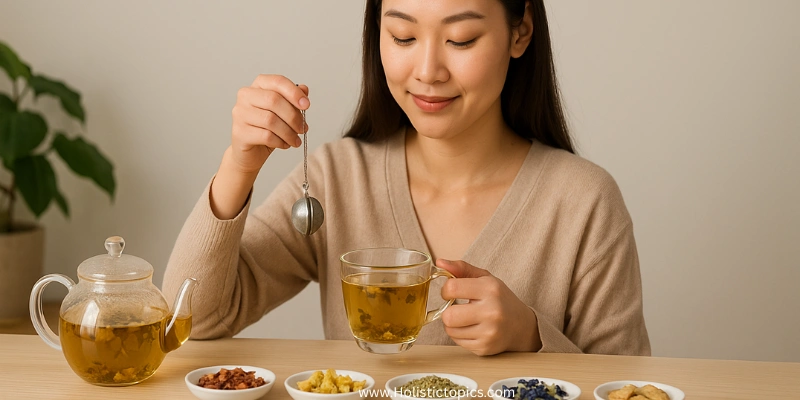
Asian herbal tea is known for its soothing aroma, natural plant benefits, and calming effect on the mind and body. Understanding how to brew Asian herbal tea correctly helps you extract the full flavor and wellness properties from every cup. The right brewing method can enhance aroma, taste, and the overall tea-drinking experience.
This guide clearly explains how to brew Asian herbal tea at home using the right tools, water temperature, measurements, steeping times, and traditional brewing techniques that bring out the best taste and quality.
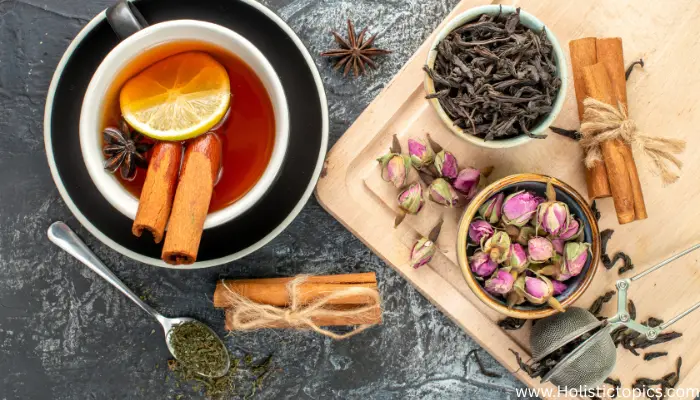
What Makes Asian Herbal Tea Special
Asian herbal teas use whole natural ingredients rather than artificial flavors. They are made from:
- Leaves: tulsi, mint, green tea
- Flowers: jasmine, chamomile, butterfly pea
- Roots: ginger, turmeric
- Herbs: ginseng, lemongrass
These teas are loved for their calming aroma and traditional wellness uses. According to the National Library of Medicine, ginger has traditionally been used to support digestion and may help with nausea, making it a common choice in Asian herbal blends.
Tools You Need for How to Prepare Asian Herbal Tea
Knowing how to prepare Asian herbal tea starts with having the right tools, such as a kettle, an infuser, and high-quality loose herbs or flowers.
You don’t need expensive equipment. A simple setup works well when learning how to brew Asian herbal tea:
| Tool | Purpose |
| Tea kettle or pot | To heat water |
| Tea infuser or strainer | To filter leaves or herbs |
| Heat-safe cup or mug | To drink tea |
| Clean filtered water | Improves taste & clarity |
Filtered water is highly recommended because it reduces minerals and chlorine, which can affect flavor.
How to Brew Asian Herbal Tea (Step-by-Step Guide)
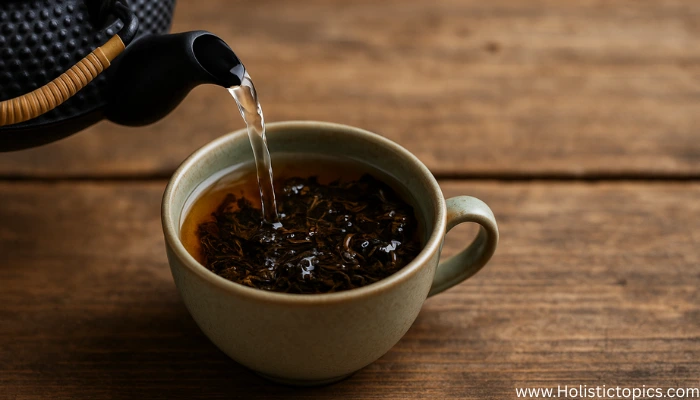
This Asian herbal tea brewing guide will help you understand every essential step, from choosing the right herbs to steeping them perfectly for maximum flavor.
Step 1: Measure your herbal tea
Use 1 teaspoon of loose tea or 1 teabag per cup.
Step 2: Heat water to the correct temperature
Using the correct heat is essential when learning how to brew Asian herbal tea – boiling water can burn delicate teas.
Step 3: Pour water over the tea
Always pour hot water over herbs (not the other way around). This helps release flavor slowly and evenly.
Step 4: Cover while steeping
Covering prevents essential oils and aroma from escaping with steam.
Step 5: Strain and enjoy
After the recommended steeping time, strain into a cup and sip warm.
The best way to make Asian herbal tea is to use fresh ingredients, the correct water temperature, and the proper steeping time to extract the full aroma and benefits.
Brewing Techniques for Different Asian Herbal Teas
1. Loose Leaf Herbal Tea (Jasmine, Tulsi, Oolong)
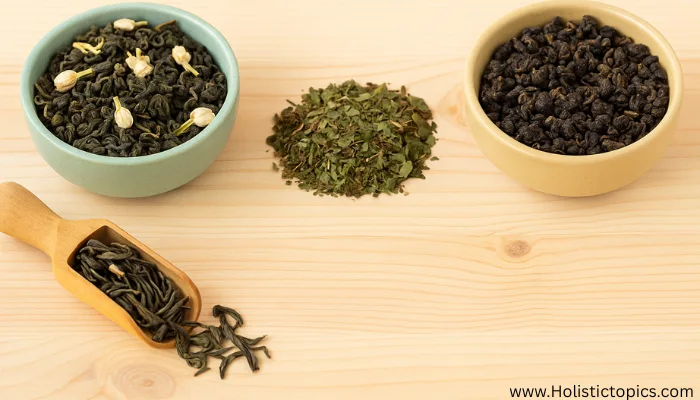
How to brew:
- Add 1 teaspoon per cup
- Heat water to a gentle simmer
- Pour over leaves, cover
- Steep 3 to 5 minutes
- Strain and serve
Best for: floral, leafy, or aromatic teas
2. Herbal Tea Bags
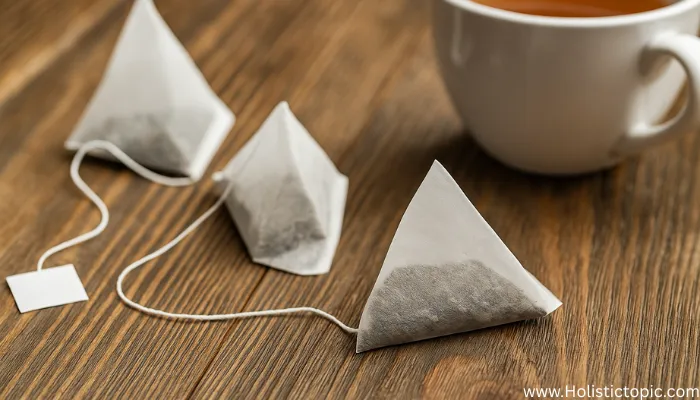
How to brew:
- Place the teabag in the cup
- Pour hot water directly on top
- Steep 2 to 4 minutes
- Press lightly for extra flavor
Avoid squeezing too hard, as it may cause bitterness.
3. Powdered Teas (Matcha, Herbal Powders)
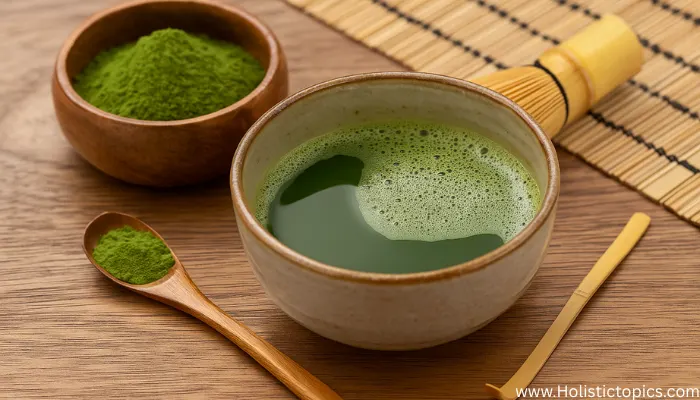
How to brew:
- Add ½ to 1 teaspoon of powder
- Add a splash of warm water
- Whisk until smooth
- Add more warm water and whisk again
Best for: antioxidants & a rich, smooth texture
4. Whole Roots, Herbs & Spices (Ginger, Ginseng, Turmeric)
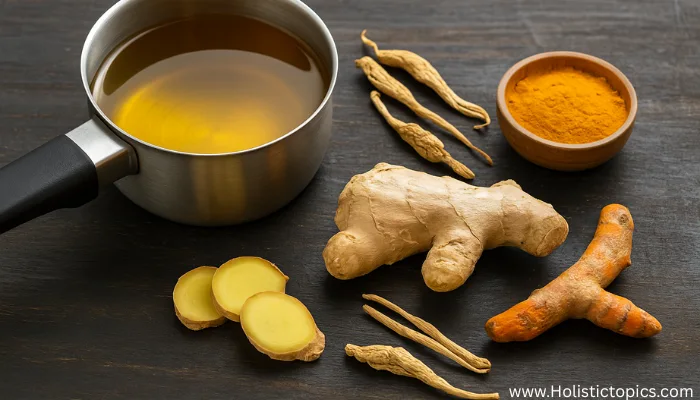
How to brew:
- Add chopped or dried roots to a pot
- Bring water to a full boil
- Simmer 8 to 10 minutes
- Strain and serve
Best for: strong, warming, medicinal-style teas
Cold Brew Asian Herbal Tea
How to brew:
- Add herbs or leaves to a jar
- Pour cool filtered water
- Refrigerate 6 to 12 hours
- Strain when ready
Perfect for refreshing teas like hibiscus, mint, or lemongrass.
Asian Herbal Tea Steeping Time and Temperature Guide
The Asian herbal tea steeping time varies depending on the type of herb or leaf you use, which is why following the proper timing is important for the best results.
| Tea Type | Water Temp | Steeping Time |
| Matcha | Not steeped | Whisk in warm water |
| Green / Jasmine | 75–85°C | 2–3 min |
| Ginger | 90–100°C | 7–10 min |
| Tulsi / Herbal blends | 95–100°C | 4–6 min |
| Ginseng | 95–100°C | 5–8 min |
Correct heat and time are the key secrets to mastering how to brew Asian herbal tea.
Best Way to Make Asian Herbal Tea and Brewing Tips
✔ Always use filtered water
✔ Avoid boiling delicate teas
✔ Store tea in airtight containers
✔ Quickly rinse tea leaves to awaken aroma
✔ Use fresh herbs, not stale ones
Common Brewing Mistakes to Avoid
❌ Steeping too long results in bitterness
❌ Using boiling water on green or jasmine tea
❌ Reusing old or expired herbs
❌ Not covering the tea while steeping
Avoiding these ensures you correctly master how to brew Asian herbal tea at home.
Conclusion
Once you understand the correct temperature, steeping time, and brewing method, learning how to brew Asian herbal tea becomes easy and enjoyable. With practice, each cup becomes a calming ritual that supports wellness, digestion, focus, and relaxation.
Disclaimer
This article is for general informational purposes only and is not medical advice. If you are pregnant, have allergies, or have medical conditions, consult a healthcare professional before consuming herbal tea.
FAQ’s
Q1. What is the best way to brew Asian herbal tea at home?
Follow the basic steps: measure tea, heat water correctly, pour over herbs, steep properly, and strain.
Q2. Can I reuse herbal tea leaves?
Loose leaves can be reused once, but the flavor will be lighter.
Q3. Should I add milk to Asian herbal tea?
Most Asian herbal teas are traditionally enjoyed without milk.
Q4. Can I drink herbal tea daily?
Yes, unless you have allergies or medical restrictions.
Q5. How do I improve flavor when learning how to brew Asian herbal tea?
Use filtered water and the correct temperature, and avoid over-steeping.
