
Introduction
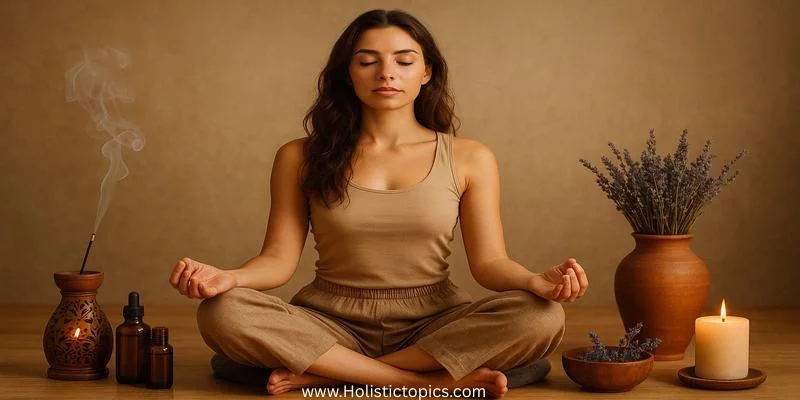
Aromatherapy has shaped human wellness for thousands of years. Across ancient civilizations, people used natural scents to calm the mind, support the body, and connect with the spirit. From temple rituals to healing practices, aromatic plants played a meaningful role in emotional and spiritual balance.
In this guide, you will explore aromatherapy history, cultural aromatherapy practices, and how ancient aromatherapy uses shaped today’s essential oil traditions. By understanding the past, you can see why scent remains a powerful tool for clarity, peace, and harmony.
What Is Aromatherapy
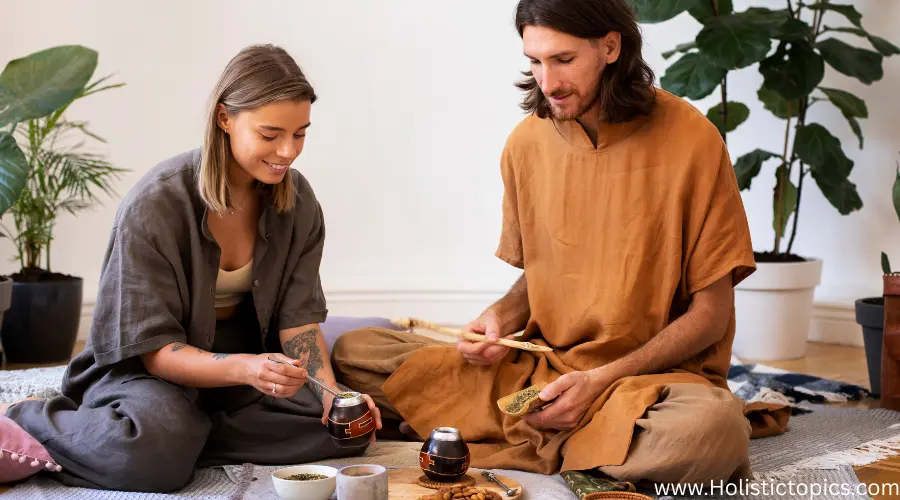
Aromatherapy is a natural wellness practice that uses plant oils and aromatic extracts to support emotional and physical well-being. These oils come from flowers, leaves, seeds, resins, and roots. Each oil has a unique scent and natural qualities that may calm, energize, or uplift your mind.
Aromatherapy is more than fragrance. It creates a link between breath, emotion, and body, which is why many people use it to reduce stress, improve focus, and support relaxation. These benefits of aromatherapy make it popular in both traditional and modern wellness.
The Ancient Origins of Aromatic Healing
The Ancient Origins
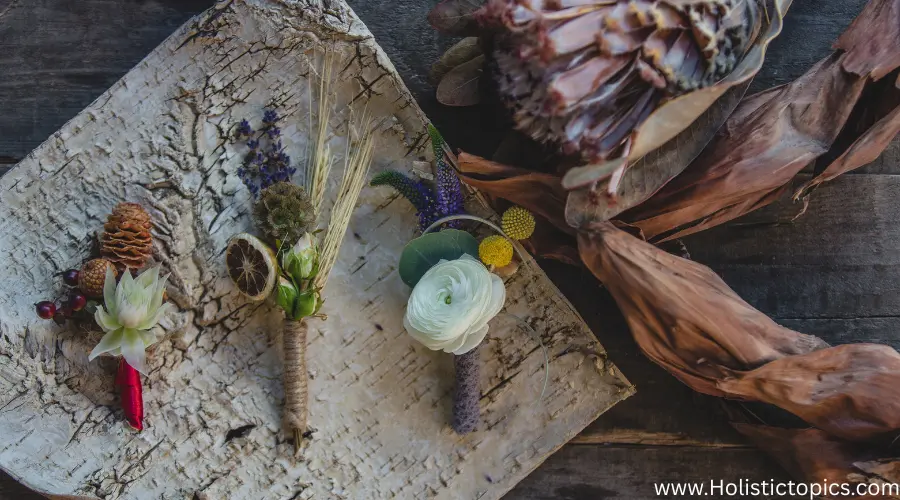
Aromatherapy history begins in some of the earliest civilizations. Scent held spiritual and healing value and was often part of daily life.
Egypt
Ancient Egyptians used aromatic oils for temple rituals, beauty care, and healing. Resins like myrrh and frankincense were used to purify spaces and support spiritual practices. These ancient aromatherapy uses were among the earliest recorded essential oil traditions.
India
In India, Ayurvedic healers used aromatic herbs and oils to balance the body’s energies. Sandalwood, jasmine, and tulsi were valued for emotional clarity and inner peace.
China
In China, aromatic plants were believed to harmonize life force energy. Incense and herbal aromatics were used during meditation and healing rituals to support emotional balance.
Mesopotamia
Priests in Mesopotamia burned incense and used scented oils in sacred spaces. These early cultural aromatherapy practices helped link scent with spiritual protection.
Ancient aromatherapy uses were not considered luxury. They were a natural way for people to connect with nature and support well-being.
From the Middle Ages to the Modern Revival
During the Middle Ages, aromatic herbs were used across Europe for cleansing the air and supporting health. Early herbalists learned how to distill plants and extract essential oils.
In the Renaissance, science and herbal study came together. This helped people understand plants in a deeper, more systematic way.
A major turning point in aromatherapy history came in the early twentieth century when French chemist Rene Maurice Gattefosse discovered the calming benefits of lavender oil on a burn. His study sparked renewed interest and helped shape the modern essential oil traditions we use today.
Today, aromatherapy blends ancient wisdom with scientific study and remains an important part of natural wellness.
Cultural Traditions That Shaped Aromatherapy
Egypt and the Near East
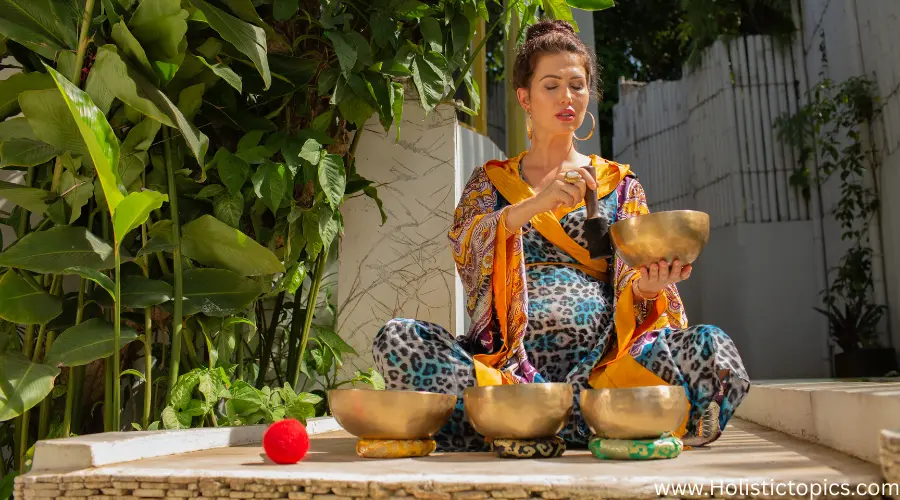
Egyptians played a major role in the early development of aromatherapy. They used oils in beauty rituals, religious ceremonies, and healing practices. Scents like myrrh, frankincense, and cedarwood symbolized purification and spiritual protection.
India and China
In India, aromatherapy became part of Ayurvedic healing. Oils were used for massage, meditation, and emotional balance. Sandalwood and jasmine were believed to calm the mind and support spiritual practices.
In China, incense and aromatic herbs supported emotional harmony. Burning scents during meditation helped promote peace and focus.
Greece and Rome
Greek physicians studied the benefits of herbal oils and scented baths. Hippocrates believed fragrance supported overall wellness.
Romans later expanded these practices by using aromatic oils in daily self-care, spas, and bathhouses.
These cultural aromatherapy practices influenced the essential oil traditions we see in modern wellness today.
How Aromatherapy Elevates Mind and Body
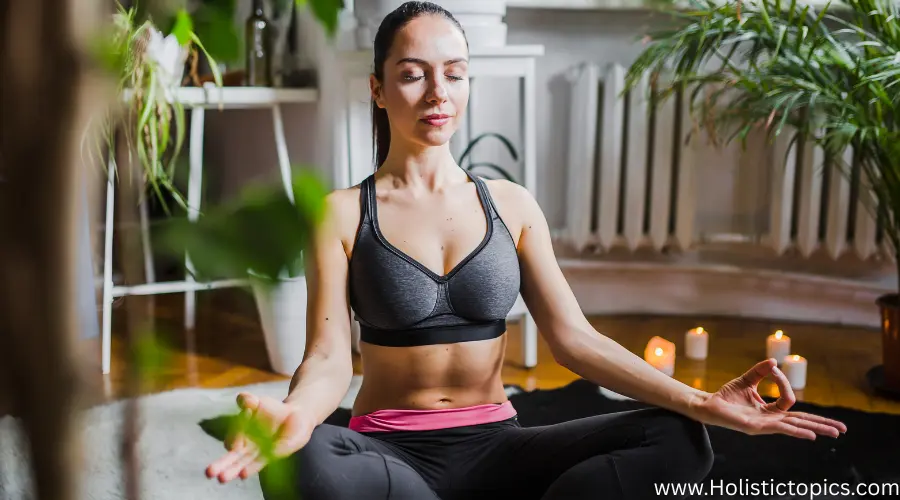
Aromatherapy influences the whole person by connecting scent with emotion, memory, and physical response.
Mind
Scent molecules reach the limbic system, the part of the brain that manages mood and emotion. This is why calming aromas may reduce stress, support mental clarity, and bring comfort.
Body
When essential oils are inhaled or absorbed through the skin, they may support relaxation, circulation, and comfort. Many people use them to unwind, sleep better, or refresh their energy.
Spirit
Aromatherapy can support grounding and presence. Using scent during meditation creates a peaceful ritual and strengthens emotional balance.
These benefits of aromatherapy show how scent can help align mind, body, and spirit.
Safe and Effective Aromatherapy Practices
Aromatherapy is natural, but essential oils should be used safely. Follow these simple guidelines:
- Choose high-quality oils from trusted brands
- Always dilute essential oils with a carrier oil
- Test a small amount on your skin before use
- Avoid internal use unless guided by a trained professional
- Keep oils away from eyes and pets
- Diffuse oils in well-ventilated spaces
- Use small amounts, since essential oils are concentrated
- Pair aromatherapy with meditation or deep breathing for better results
Using essential oils with intention helps you experience the benefits safely.
Conclusion
From ancient temples to modern homes, aromatherapy continues to bring people closer to nature. Aromatherapy history shows that scent is more than fragrance. It is a mindful practice that supports balance, emotional clarity, and inner peace.
By exploring ancient aromatherapy uses and cultural aromatherapy practices, you learn how simple natural scents can support harmony between mind and body. Use aromatherapy with intention and let fragrance guide you toward calm and well-being.
FAQ‘s
Q1. What makes aromatherapy different from perfume?
Aromatherapy uses natural plant oils to support emotional and physical well-being. Perfume focuses on scent and often contains synthetic ingredients.
Q2. Can aromatherapy improve mental clarity?
Yes. Oils like peppermint, rosemary, and citrus oils may help refresh focus and support alertness.
Q3. How often should I use essential oils?
You can use essential oils daily in small amounts. Many people use energizing scents in the morning and calming scents in the evening.
Q4. Can I blend different oils?
Yes. Blending oils helps you create a custom scent for relaxation, focus, or emotional balance. Start with simple blends.
Q5. Are there risks with aromatherapy?
Essential oils are strong. Always dilute them, avoid sensitive areas, and keep them away from children and pets.
Sources
https://www.ncbi.nlm.nih.gov/pmc/articles/PMC8043150
https://www.quinessence.com/history-of-aromatherapy
https://purodem.com/history-of-aromatherapy
https://www.edenbotanicals.com/aromatherapy-a-modern-history.html
