
Introduction
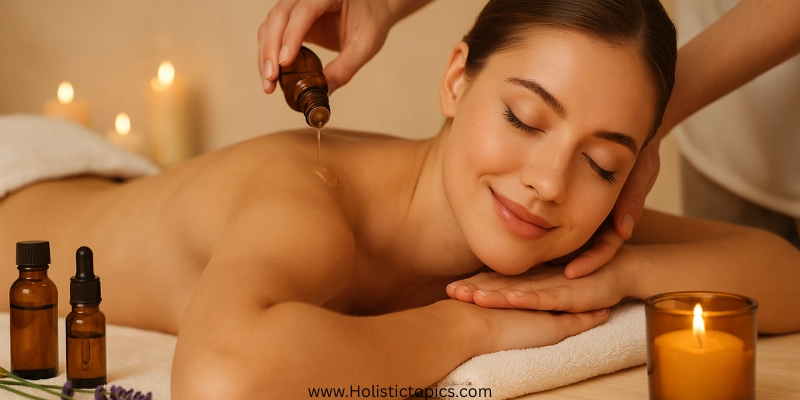
Aromatherapy massage is a calming massage technique that uses essential oils to support relaxation, emotional balance, and physical comfort. This practice has been used for centuries in many cultures, and today it is one of the most popular forms of massage therapy across the world. It combines soft touch, natural scents, and slow breathing to help the mind and body relax.
This complete guide explains aromatherapy massage benefits, essential oils for aromatherapy massage, the best oils to use, a full step-by-step method, how to do aromatherapy massage at home, safety precautions, and a comparison with Swedish massage. Every section of this guide is written clearly and simply, making it easy for anyone to understand and practice aromatherapy massage safely.
What Is Aromatherapy Massage
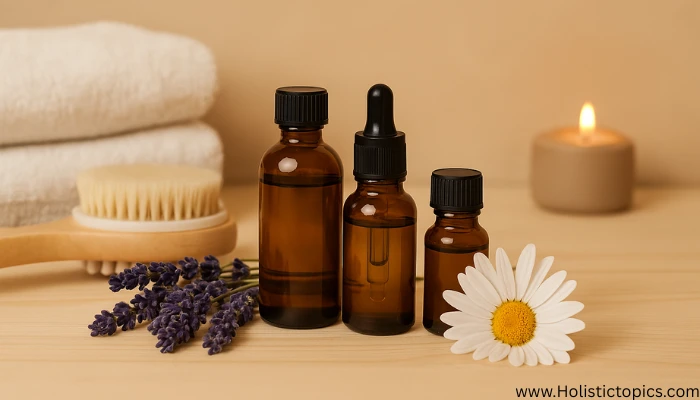
Aromatherapy massage is a gentle form of body massage where essential oils are blended with carrier oils to support emotional and physical wellness. The purpose of this massage is not deep muscle work but calming the mind, reducing stress, and creating a soothing sensory experience.
According to Healthline, essential oils may help improve mood and reduce tension when used properly:
During the massage, the therapist or the person giving the massage applies gentle strokes while allowing the aroma of the oils to spread in the room. The scent plays an important role in creating a peaceful atmosphere that encourages relaxation.
How Aromatherapy Massage Works
Aromatherapy massage works through two natural pathways. Understanding these pathways helps explain why the therapy is effective.
Skin Absorption
Essential oils are made from plants and contain natural compounds that may support the body in different ways. When these oils are mixed with a carrier oil and applied to the skin, the body slowly absorbs them. WebMD explains that essential oils can enter the bloodstream through the skin:
Different oils affect the body in unique ways. Some create a warming effect that relaxes tight muscles, while others create a soothing or cooling effect.
Inhalation of Natural Scents
The aroma of essential oils travels to the limbic system of the brain through the nose. The limbic system controls emotions, stress levels, and memory. Mayo Clinic notes that aromatherapy may influence mood and promote relaxation when inhaled:
This is why the scent of lavender, chamomile, or rose can instantly create a sense of calm and comfort.
Together, inhalation and skin absorption create a holistic wellness experience that supports the mind and body.
6 Benefits of Aromatherapy Massage
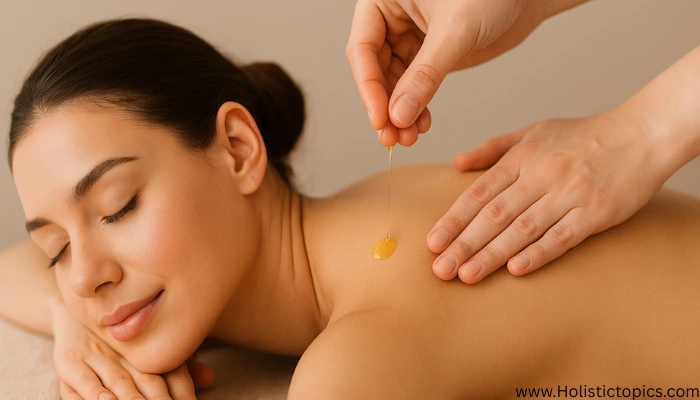
Aromatherapy massage benefits are broad and support overall well-being. Below are detailed explanations so readers understand exactly how this therapy helps.
1. Supports Deep Relaxation
Soft massage movements reduce tension in the muscles while calming scents slow down the nervous system. Oils such as lavender and ylang ylang help encourage relaxation even in people who struggle to unwind after long days.
2. Reduces Muscle Tension
Although aromatherapy massage is gentle, it still helps loosen tight muscles. Peppermint oil and eucalyptus oil support muscle comfort due to their natural cooling and soothing effects. This makes the massage helpful for people who sit for long hours or have mild stiffness.
3. Improves Sleep Quality
Many people who receive aromatherapy massage experience better sleep because essential oils help the mind calm down. Lavender oil is well known for supporting sleep, and several studies on Healthline mention its soothing effects on the nervous system:
https://www.healthline.com/health/lavender-oil-benefits
4. Enhances Emotional Well-Being
Aromatherapy massage supports emotional balance by influencing the limbic system. Citrus oils like bergamot and sweet orange improve mood and help reduce emotional fatigue. Floral oils like rose promote comfort and emotional grounding.
5. Supports Circulation
The slow strokes used during the massage increase blood flow. This allows more oxygen to reach muscles and tissues, creating a feeling of lightness and improved energy.
6. Helps Manage Daily Stress
Stress is one of the main reasons people seek aromatherapy massage. The therapy reduces both physical and emotional stress by encouraging deeper breathing, loosening tight muscles, and calming the mind.
Aromatherapy Massage for Stress Relief
Aromatherapy massage for stress relief is one of the most effective natural methods for reducing emotional tension. Stress often affects sleep, mood, immunity, and productivity. This massage supports the body in several ways.
Calming Essential Oils
Scents like lavender, chamomile, sandalwood, and frankincense are known to create a peaceful environment. These oils help reduce mental pressure and support emotional stability.
Relaxed Breathing Patterns
During aromatherapy massage, the calming scent encourages slow breathing. This naturally reduces heart rate and helps the body shift from a stressed state to a relaxed one.
Mind-Body Connection
When massage reduces physical tension, the mind automatically feels lighter. This connection makes aromatherapy a powerful tool for long-term stress management.
Scientific discussions on the Mayo Clinic note that essential oils may provide psychological benefits when used correctly:
Essential Oils for Aromatherapy Massage
Choosing the right essential oils is important for a safe and effective aromatherapy massage. Below are commonly used oils with detailed explanations.
Lavender Oil
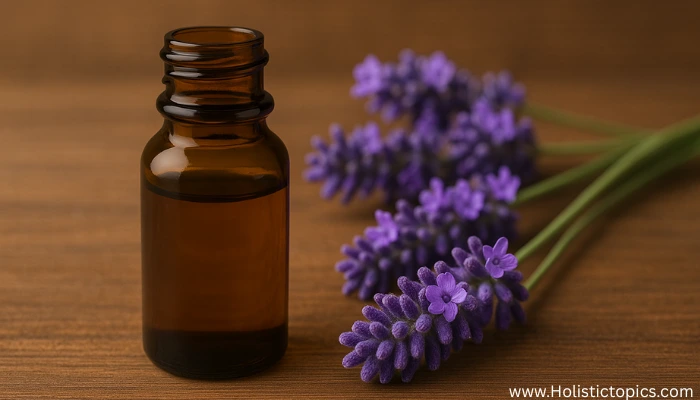
Lavender is the most popular essential oil for relaxation. It supports sleep, reduces stress, and lowers restlessness. It is gentle and suitable for most people.
Peppermint Oil
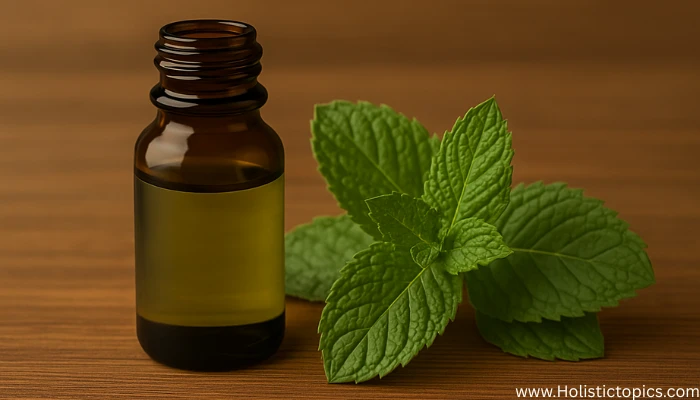
Peppermint creates a cooling effect that refreshes tired muscles and supports mental alertness. It should always be used in small amounts because it is strong.
Chamomile Oil
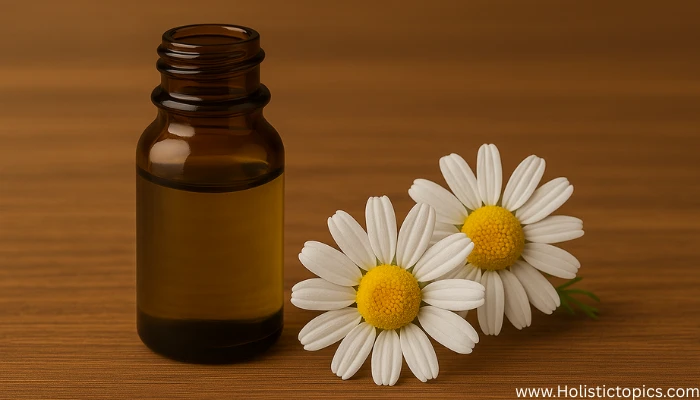
Chamomile is calming and grounding. It helps reduce emotional stress and may support relaxation for people who feel overwhelmed.
Eucalyptus Oil
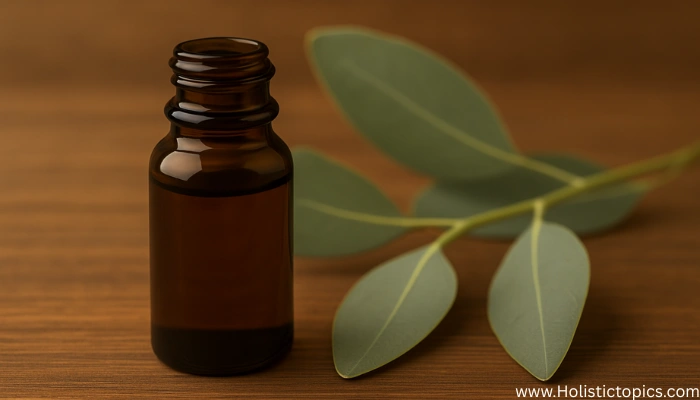
Eucalyptus oil supports clear breathing and helps release tension in the shoulders, neck, and back.
Rose Oil
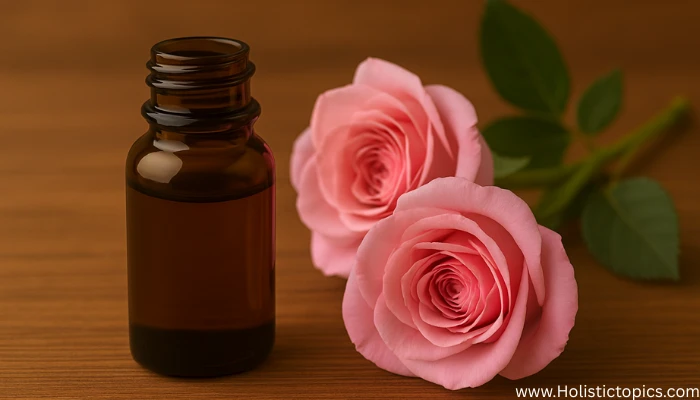
Rose oil is uplifting and comforting. It is often used for emotional healing and mental balance.
Bergamot Oil
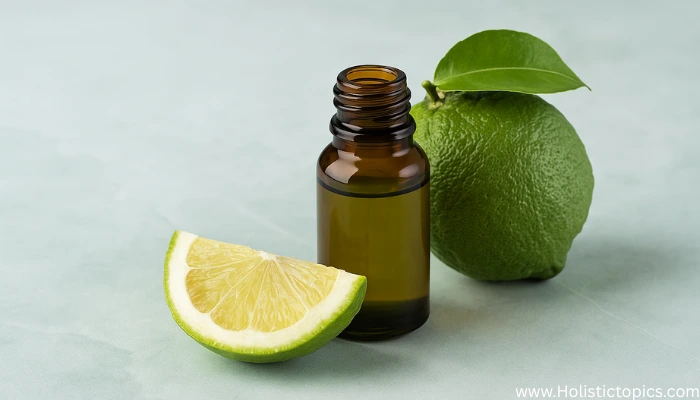
Bergamot oil has a bright citrus scent that reduces stress and improves mood. It is often added to blends for emotional support.
These essential oils should always be diluted with a carrier oil before use.
Best Oils for Aromatherapy Massage
The best oils for aromatherapy massage include essential oils and carrier oils. Carrier oils help dilute essential oils and protect the skin.
Sweet Almond Oil
This carrier oil is smooth, gentle, and suitable for most skin types. It spreads easily and makes massage comfortable.
Jojoba Oil
Jojoba resembles the skin’s natural oils, making it very safe and non-irritating. It absorbs quickly and feels light.
Coconut Oil
Coconut oil is nourishing and perfect for dry skin. It is a common choice for at-home aromatherapy massage.
Grapeseed Oil
Grapeseed oil is light and non-greasy. It is ideal for people who want a smooth massage without a heavy texture.
Carrier oils play a major role in making the massage safe and pleasant, especially when working with essential oils that are strong.
Aromatherapy Massage Step-by-Step Guide
Aromatherapy massage works best when the steps are followed in a calm and simple sequence. Below is a clear and easy aromatherapy massage step-by-step guide that anyone can use at home or in a spa setting.
Step 1: Choose the Essential Oils You Want to Use
Select an essential oil based on your goal. Lavender is ideal for relaxation, peppermint supports tired muscles, and bergamot helps uplift mood.
Mix 3 to 4 drops of the essential oil with a carrier oil like coconut, jojoba, or sweet almond to keep it safe for the skin.
Step 2: Prepare a Calm and Comfortable Space
A peaceful environment improves the massage experience.
Dim the lights, reduce noise, and, if possible, play soft music.
A relaxing space helps the mind and body settle before the massage even starts.
Step 3: Warm the Oil Between Your Hands
Place a small amount of the diluted oil in your palms and rub them together for a few seconds.
Warm oil feels smoother on the skin and helps the person relax faster.
Step 4: Begin With Light, Long Strokes
Start the massage with gentle strokes on broad areas like the back, arms, or legs.
This helps warm the muscles, relax the body, and prepare it for the rest of the massage.
Step 5: Use Slow Circular Motions on Tension Spots
Move to slightly tense areas such as the shoulders, neck, or lower back.
Use slow circular motions with light to medium pressure.
This helps release mild tightness without causing discomfort.
Step 6: Keep a Slow and Steady Rhythm
Aromatherapy massage should never feel rushed.
Maintain slow, smooth strokes so the essential oils have time to work and the nervous system stays calm.
Step 7: Encourage Deep and Slow Breathing
Ask the person to breathe in slowly through the nose and exhale gently through the mouth.
The scent of the essential oils is more effective when paired with slow breathing.
Step 8: Finish With Soft, Gentle Strokes
End the massage with long, light strokes to help the body relax completely.
This step signals the end of the session and allows the person to feel calm and refreshed.
How to Do Aromatherapy Massage at Home
Doing aromatherapy massage at home is easier than most people think. You do not need advanced training, but you do need proper knowledge of oils, pressure, and safety. Here is a detailed guide on how to do aromatherapy massage at home safely and effectively.
1. Set Up a Calm and Clean Space
A peaceful environment makes the massage more effective.
Choose a quiet room and prepare it by:
- cleaning the space
- dimming or turning off bright lights
- playing soft, relaxing music
- keeping the temperature warm
If you want a more spa-like feeling, you can also use soft blankets, candles, or a diffuser.
2. Gather Your Oils and Supplies
You need:
- essential oils based on your goal
- a gentle carrier oil such as jojoba, sweet almond, or coconut
- small glass bowl for mixing
- clean towels
- optional diffuser
Mix your essential oils only when you are ready to begin. Fresh blends smell stronger and work better.
3. Perform a Patch Test Before Using Oils
Always test the diluted oil on a small part of your arm.
Wait 10 to 15 minutes to see if any redness or itching appears.
This step ensures you avoid unwanted reactions, especially if you have sensitive skin.
4. Use Light and Comfortable Pressure
Aromatherapy massage at home should be gentle. You are not trying to fix deep knots.
Use:
- long strokes
- soft circular movements
- slow rhythm
This helps the essential oils work naturally while keeping the body relaxed.
5. Focus on Key Areas of Tension
Common tension areas include:
- shoulders
- neck
- lower back
- arms
- calves
Do not press too hard.
Simply use slow, controlled movements to ease mild tightness.
6. Allow the Scent to Guide the Massage
Aromatherapy relies heavily on scent.
As you massage, allow the aroma to spread through the room.
Deep breathing makes the massage more effective and improves emotional relief.
7. Take Your Time
Most home massages last 20 to 45 minutes.
Rushing reduces the relaxing effect.
The best results come from slow movements and consistent pressure.
8. End the Massage Softly
Finish with gentle strokes and allow the person to rest for a few minutes afterward.
This helps the body absorb the benefits and return to alertness slowly.
Doing aromatherapy massage at home is a powerful way to improve mental and physical wellness without visiting a spa. It is relaxing, affordable, and easy to repeat whenever needed.
Aromatherapy Massage vs Swedish Massage
Aromatherapy massage and Swedish massage are both relaxing, but they serve different purposes. This comparison helps readers choose the right one.
Purpose
Aromatherapy massage focuses on emotional balance and calmness using essential oils. Swedish massage focuses on easing muscle stiffness and improving circulation through stronger, more targeted techniques.
Pressure Level
Aromatherapy massage uses light to medium pressure. Swedish massage uses medium to strong pressure depending on the person’s needs.
Techniques Used
Aromatherapy relies on gentle strokes and circular movements. Swedish massage includes kneading, tapping, and longer strokes designed to work deeper into the muscles.
Experience
Aromatherapy offers a peaceful, scent-based experience ideal for stress relief. Swedish massage is better for people who want physical muscle relaxation or relief from tension.
Which One Should You Choose
Choose aromatherapy massage if you want:
- relaxation
- emotional comfort
- gentle pressure
- calming scents
- stress relief
Choose Swedish massage if you want:
- stronger muscle work
- relief from tightness
- improved physical flexibility
Both massages are helpful, but aromatherapy is more about emotional and sensory experience, while Swedish massage is more about physical relief.
Aromatherapy Massage Precautions and Safety Tips
Although aromatherapy massage is safe for most people, it involves essential oils and direct skin contact, so proper precautions are important. These detailed safety tips ensure a comfortable and safe experience.
1. Always Dilute Essential Oils Before Using
Essential oils are extremely concentrated. Using them directly on the skin can cause:
- redness
- burning
- itching
- irritation
Dilution with a carrier oil prevents these issues. A good ratio is
3 to 4 drops of essential oil per tablespoon of carrier oil.
This keeps the blend gentle and skin-safe.
2. Perform a Patch Test Before Full Use
Before massaging a large area, apply a small amount of diluted oil to your forearm.
Watch for itching, redness, or irritation over the next few minutes.
This step prevents severe reactions.
3. Use Caution if You Have Asthma or Allergies
Strong scents can sometimes trigger breathing difficulties or allergic reactions.
People with asthma, sinus issues, or fragrance sensitivity should pick milder oils like lavender or chamomile.
4. Be Extra Careful During Pregnancy
Some essential oils may not be safe for pregnant individuals.
Pregnancy affects the sensitivity of the skin and the respiratory system.
Always consult a healthcare professional before using essential oils during pregnancy.
5. Avoid Sensitive Areas of the Body
Do not apply essential oils near:
- eyes
- nose
- mouth
- open wounds
- broken skin
- rashes
These areas are delicate and can react strongly.
6. Do Not Use Oils on Children Without Guidance
Children have sensitive skin and developing bodies.
Essential oils should only be used under expert guidance.
7. Store Essential Oils Properly
Store essential oils in dark glass containers and keep them away from heat and direct light.
Proper storage keeps them effective and prevents chemicals from changing over time.
8. Stop Immediately If Irritation Occurs
If you notice burning, itching, dizziness, or breathing difficulty, stop the massage immediately and wash the area with mild soap and water.
Following these precautions ensures that aromatherapy massage stays safe, enjoyable, and beneficial for the body and mind.
Conclusion
Aromatherapy massage is a powerful and natural way to relax, ease stress, improve mood, and support emotional well-being. With the right essential oils and simple techniques, anyone can enjoy the benefits of this practice at home or in a spa setting. Sources like Mayo Clinic, Healthline and WebMD recognize the value of essential oils when used carefully and safely. By understanding benefits, step-by-step methods, best oils, and precautions, you can make aromatherapy massage a calming and useful part of your wellness routine.
Frequently Asked Questions
Q1. What does aromatherapy massage do?
It helps with relaxation, stress relief, a better mood, and muscle comfort through soothing essential oils and gentle massage.
Q2. Which oil is best for aromatherapy massage?
Lavender, chamomile, peppermint, and bergamot oils are popular choices depending on your goal.
Q3. Can I do an aromatherapy massage at home?
Yes. With proper dilution and simple techniques, anyone can do a safe massage at home.
Q4. Is aromatherapy massage safe?
It is safe for most people, but those with allergies, asthma, or sensitive skin should take extra care.
Q5. How often should I get an aromatherapy massage?
Once a week or twice a month is ideal, depending on your lifestyle and stress levels.
