
Introduction
Aromatherapy is often seen as a gentle and natural wellness practice, but essential oils are powerful substances that must be used carefully. When used incorrectly, they may cause skin irritation, breathing discomfort, or unwanted side effects. This guide on aromatherapy safety tips explains how to use essential oils safely at home, especially for beginners. You will learn proper precautions, possible side effects, and safe aromatherapy practices that help protect your mind and body.
What Is Aromatherapy and Why Safety Matters
Aromatherapy is the practice of using essential oils extracted from plants to support emotional balance and physical comfort. These oils are created through processes like steam distillation or cold pressing, which concentrate the active plant compounds into a highly potent form.
Because essential oils are concentrated, even small amounts can have a strong effect on the body. Using them without proper knowledge may lead to irritation or sensitivity. Learning aromatherapy safety tips helps ensure that essential oils are used responsibly and as a supportive wellness tool rather than a source of discomfort.
Trusted organizations like the National Association for Holistic Aromatherapy emphasize education and moderation as the foundation of safe aromatherapy use.
How Essential Oils Work in the Body
Essential oils affect the body mainly through inhalation and skin absorption. Understanding this process explains why safety and correct usage are important.
When essential oils are inhaled, aroma molecules travel through the nasal passages to the limbic system in the brain. This area is linked to emotions, memory, and stress response, which is why certain scents may promote relaxation or alertness.
When essential oils are applied to the skin, they are absorbed in very small amounts into the bloodstream. From there, the body processes these compounds through the liver. Because essential oils are potent, using small amounts and proper dilution reduces strain on the body and lowers the risk of side effects.
Aromatherapy Safety for Beginners
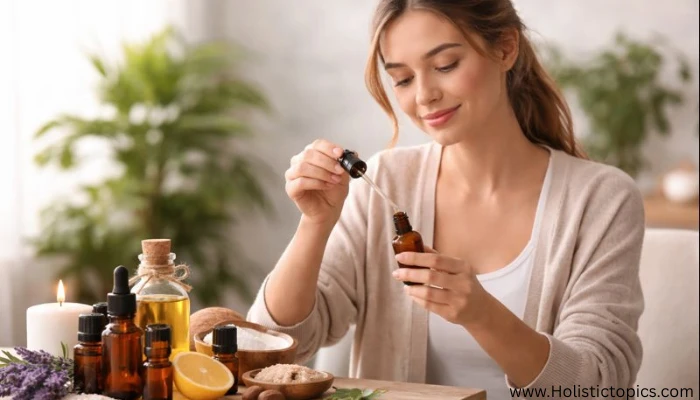
Beginners should approach aromatherapy slowly and carefully. Many safety problems occur when people use too many oils at once or apply them too frequently.
1. Use One Essential Oil at a Time
Using one essential oil at a time helps you clearly understand how your body reacts. If irritation or discomfort occurs, it becomes easier to identify the cause. This approach also allows beginners to learn the scent strength and effect of each oil individually.
2. Start With Low Dilution Levels
Essential oils must be mixed with a carrier oil before they are applied to the skin to reduce the risk of irritation. Starting with a low dilution allows the skin to adjust gradually and reduces the risk of irritation. This method is especially important for people with sensitive skin or allergies.
3. Avoid Daily Use of Strong Oils
Some essential oils are more intense and stimulating. Using strong oils daily may increase sensitivity over time. Giving your body rest days helps prevent overexposure and supports long-term safe use.
4. Observe How Your Body Reacts
Every person responds differently to essential oils. Paying attention to signs such as redness, headaches, or nausea helps you adjust usage early. Listening to your body is one of the most important aromatherapy safety tips.
Essential Oil Dilution and Application Safety
Dilution is one of the most critical parts of using essential oils safely. Applying oils directly to the skin without a carrier oil can cause irritation or burns.
A carrier oil helps spread the essential oil over a larger area and slows absorption. Popular carrier oils such as coconut oil, jojoba oil, and sweet almond oil are often used to dilute essential oils safely.
For adults, a one to two percent dilution is generally considered safe. For facial use or sensitive skin, lower dilution levels are recommended. Proper dilution protects the skin while still allowing the oil to be effective.
The Tisserand Institute highlights dilution as a key principle of essential oil safety.
Essential Oil Precautions Everyone Should Follow
Even experienced users should follow essential oil precautions because these oils are highly concentrated and affect the body quickly. Ignoring basic safety rules may lead to irritation, sensitivity, or unwanted reactions over time.
1. Avoid Ingesting Essential Oils
Essential oils should not be consumed unless guided by a trained healthcare professional. Internal use can irritate the digestive system, stress the liver, and interact with medications, making it unsafe for home use.
2. Keep Oils Away From Eyes and Sensitive Areas
Areas such as the eyes, nose, inner ears, and broken skin absorb oils rapidly. Contact with these areas may cause burning, redness, or discomfort, even with diluted oils.
3. Perform a Patch Test Before Use
A patch test helps identify skin sensitivity before full application. Apply a small diluted amount to the inner arm and wait 24 hours to check for redness, itching, or irritation.
4. Wash Hands After Handling Oils
Essential oils can easily transfer from hands to the face or eyes. Washing hands after use helps prevent accidental exposure and irritation.
5, Avoid Sun Exposure After Citrus Oil Use
Some citrus oils increase skin sensitivity to sunlight. Applying these oils before sun exposure may lead to redness or skin reactions, so it is best to avoid direct sunlight after use.
Possible Essential Oil Side Effects
Essential oil side effects vary depending on the type of oil, amount used, and individual sensitivity. Even natural products can cause reactions if the body does not tolerate them well.
1. Skin Irritation
Redness, itching, or dryness may occur if essential oils are applied undiluted or used too frequently. Sensitive skin is more likely to react, especially with strong oils.
2. Headaches or Nausea
Strong or prolonged scents may overwhelm the senses. This is more common when oils are diffused for long periods or used in small, enclosed spaces.
3. Breathing Discomfort
Certain essential oils may irritate the airways, particularly for individuals with asthma or respiratory sensitivity. Mild breathing discomfort is a sign to stop use immediately.
4. Allergic Reactions
Some people may experience allergic reactions even with proper dilution. Symptoms may include swelling, rashes, or discomfort and should not be ignored.
If any side effects appear, discontinue use immediately. The Cleveland Clinic advises caution for individuals with allergies or respiratory conditions.
Safe Aromatherapy Practices at Home
Following safe aromatherapy practices helps maintain balance and allows essential oils to support well-being without overuse or irritation.
1. Use Diffusers for Short Periods
Diffusing essential oils for short intervals prevents scent overload and reduces the chance of headaches or breathing discomfort. Continuous diffusion is not recommended.
2. Ventilate Rooms Properly
Fresh air helps disperse aroma particles and prevents the buildup of strong scents. Proper ventilation keeps the environment comfortable and safe.
3. Store Oils in Dark Glass Bottles
Essential oils are sensitive to light and heat. Dark glass bottles protect oil quality and help prevent chemical changes that may increase skin irritation.
4. Avoid Mixing Many Oils Together
Using too many oils at once increases the risk of sensitivity. Simple blends make it easier to identify reactions and maintain safe usage.
Safety Considerations for Children, Pregnancy, and Pets
Essential oils affect different bodies in different ways. Children, pregnant individuals, and pets are more sensitive, so extra care is required when using aromatherapy around them.
Safety for Children and Babies
Children and babies have thinner skin and developing immune systems, which makes them more sensitive to essential oils. Even small amounts may cause irritation or breathing discomfort. Essential oils should be used at very low dilutions or avoided entirely for young children unless advised by a qualified healthcare professional. Diffusion should be brief and done only in well-ventilated rooms.
Safety During Pregnancy
Pregnancy brings hormonal and circulatory changes that may alter how the body responds to essential oils. Some oils may stimulate circulation or affect hormone balance. Because of this, pregnant individuals should consult a healthcare provider before using essential oils, even if the oils were previously well-tolerated.
Safety Around Pets
Pets process essential oils differently from humans. Cats and dogs are especially sensitive to strong scents, which may cause stress, nausea, or breathing discomfort. Essential oils must not be placed straight onto animals. If diffusing oils, always ensure pets can leave the room freely and stop use if any signs of discomfort appear.
Storage and Handling of Essential Oils
Proper storage and handling are essential parts of using essential oils safely. Incorrect storage may change the chemical composition of oils and increase the risk of irritation.
Keep Bottles Tightly Closed
Closing bottles properly prevents air from entering, which reduces oxidation. Oxidized oils are more likely to cause skin sensitivity and irritation.
Store Away From Heat and Sunlight
Heat and direct sunlight can break down essential oil compounds over time. Storing oils in a cool, dark place helps maintain their quality and safety.
Check Expiration Dates Regularly
Essential oils do not last forever. Old or expired oils may smell different and are more likely to cause skin reactions. Regularly checking dates helps prevent accidental use of degraded oils.
Keep Oils Out of Reach of Children
Essential oils should be stored securely and away from children. Accidental spills or ingestion may be harmful and require medical attention.
Oxidized or expired oils should be discarded safely and not applied to the skin.
When to Avoid Aromatherapy
Aromatherapy is not suitable for everyone in every situation. There are times when essential oils should be avoided completely.
Avoid aromatherapy if you have open wounds, active skin infections, unexplained rashes, or severe asthma. Essential oils may worsen these conditions. If a healthcare professional advises against essential oil use due to a medical condition or medication, that guidance should always be followed.
Aromatherapy should support well-being, not replace medical care. Listening to professional advice is an important part of safe use.
Simple Aromatherapy Safety Checklist
Following a basic safety checklist helps reduce risks and supports responsible use of essential oils.
- Always dilute essential oils before skin use
Proper dilution protects the skin and reduces irritation. - Use small amounts and avoid overuse
Essential oils are concentrated, and a little goes a long way. - Never ingest oils without professional guidance
Internal use can be harmful and should not be done at home. - Pay attention to skin and breathing reactions
Any discomfort is a sign to stop use immediately. - Store oils safely and responsibly
Proper storage maintains oil quality and prevents accidents.
Disclaimer
This article is provided for educational purposes only and is not intended to replace professional medical or healthcare advice. Always consult a qualified healthcare professional before using essential oils, especially if you have a medical condition, are pregnant, or are caring for children or pets.
Conclusion
Aromatherapy can be a supportive and calming wellness practice when used with proper knowledge and care. Because essential oils are highly concentrated, following aromatherapy safety tips is important to reduce the risk of irritation, sensitivity, or unwanted side effects. Understanding proper dilution, essential oil precautions, and safe aromatherapy practices helps protect your health while allowing you to enjoy the benefits responsibly.
By starting slowly, listening to your body, and using essential oils in moderation, you can create a safe and comfortable experience at home. Aromatherapy should always support well-being, not replace medical care. When safety comes first, essential oils can become a mindful part of a balanced lifestyle.
FAQs
1. Is aromatherapy safe to use every day?
Aromatherapy can be used daily if essential oils are applied correctly and in moderation. It is recommended to rotate oils, use low dilutions, and take breaks to reduce the risk of skin sensitivity or scent fatigue.
2. What is the safest way to use essential oils at home?
The safest way to use essential oils at home is through proper dilution with a carrier oil or short periods of diffusion in a well-ventilated room. Direct skin application without dilution and ingestion should be avoided.
3. Can essential oils cause side effects?
Yes, essential oils may cause side effects such as skin irritation, headaches, nausea, or breathing discomfort, especially when used in large amounts or without proper dilution. Discontinue use if any reaction occurs.
4. Are essential oils safe for children and babies?
Essential oils should be used with extreme caution around children and babies. Their skin and respiratory systems are more sensitive, so very low dilutions or avoidance is recommended unless advised by a qualified healthcare professional.
5. Which essential oils should be avoided during pregnancy?
Some essential oils may affect circulation or hormone balance during pregnancy. Pregnant individuals should consult a healthcare provider before using essential oils, even if they were previously well-tolerated.
6. What steps should be taken if an essential oil causes a reaction?
If you experience redness, itching, breathing discomfort, or any other reaction, stop using the essential oil immediately. Wash the affected area with a mild carrier oil and seek medical advice if symptoms continue.
