

Introduction
Meditation often looks simple. You sit quietly, follow your breath, and try to relax. But most beginners quickly discover that meditation feels more difficult than expected. The mind becomes busy, the body feels tense, and doubts begin to appear.
These challenges are normal. You are not failing. You are simply experiencing the most common meditation mistakes and the most common beginner meditation mistakes that almost every new meditator faces. Many people also start searching for meditation tips for beginners without understanding the real issues holding them back.
The good news is that once you understand these meditation mistakes and learn how to correct them, meditation becomes easier, more calming, and much more enjoyable. This guide will show you the fourteen most common mistakes and offer simple, science-supported solutions to help you build a strong daily meditation habit.
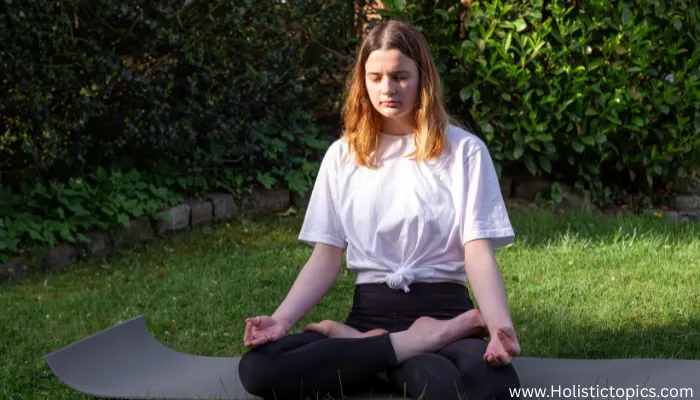
Why Beginners Struggle With Meditation
Many beginners believe meditation should create immediate peace. In reality, meditation is mental training that takes time. According to Mindful.org, beginners struggle because they expect a silent mind instead of learning how to meditate properly by observing thoughts without judgment.
Once you understand that meditation is about awareness rather than perfection, progress becomes much easier.
Meditation Mistakes Beginners Face and How to Fix Them
Understanding common meditation mistakes is the first step to improving your practice. Avoiding these early errors helps beginners stay consistent, focused, and calm during meditation.
Mistake 1: Expecting Instant Calm
The Problem:
Beginners often think meditation should stop thoughts instantly. When this does not happen, they assume something is wrong.
Fix:
Focus on showing up daily rather than chasing results. Calmness develops gradually as the brain learns to relax and focus.
Mistake 2: Forcing the Mind to Be Silent
The Problem:
Trying to push thoughts away creates stress and frustration.
Fix:
Let thoughts come and go naturally. Treat each thought as a passing cloud. Gently return to your breath when your mind wanders.
Mistake 3: Ignoring Posture and Comfort

The Problem:
Poor posture leads to discomfort and constant distraction.
Fix:
Sit with a relaxed spine. Use cushions, a chair, or a wall for support. Comfort helps you stay focused for longer sessions.
Mistake 4: Meditating Without a Clear Intention
The Problem:
Meditation feels unclear when you do not have a purpose.
Fix:
Set a simple intention before each session. Examples include:
I want to reduce stress.
I want to build focus.
I want to feel more balanced.
A clear reason helps you stay committed.
Mistake 5: Trying Too Many Techniques
The Problem:
Beginners usually explore many styles at once because they want quick results. But switching between multiple techniques confuses the mind.
Fix:
Choose one simple method, such as breath awareness. This is one of the most powerful meditation tips for beginners because it helps you build a stable foundation. Practice it daily for two to three weeks before exploring new techniques.
Mistake 6: Skipping Consistency
The Problem:
Irregular meditation does not create lasting benefits.
Fix:
Begin with five minutes a day. Attach meditation to an existing habit, such as morning tea or bedtime.
Mistake 7: Comparing Yourself to Others
The Problem:
Comparisons create self-doubt and impatience.
Fix:
Stay focused on your own journey. Meditation is personal. Every session helps you grow.
Mistake 8: Meditating Only When Stressed

The Problem:
Meditation becomes a temporary fix rather than a long-term practice.
Fix:
Meditate even when you feel calm. This builds stronger mental balance and stress resilience.
Mistake 9: Sitting Too Long Too Soon
The Problem:
Long sessions can cause pain, numbness, and frustration.
Fix:
Start with short sessions. Increase your duration slowly and naturally.
Mistake 10: Neglecting the Breath
The Problem:
Without a steady anchor, the mind wanders quickly.
Fix:
Use your breath as your point of focus. Notice how it feels, moves, and changes. Always return to the breath gently.
Mistake 11: Judging Your Progress Harshly
The Problem:
Many beginners criticize themselves for having a busy mind.
Fix:
Replace judgment with curiosity. Ask what distracted you instead of criticizing yourself. This creates a healthier mindset.
Mistake 12: Meditating in a Distracting Environment

The Problem:
Noise and clutter reduce concentration.
Fix:
Create a small meditation corner. Use soft lighting, a candle, or a comfortable cushion to support focus and calmness.
Mistake 13: Searching for the Perfect Method
The Problem:
Endless searching prevents deep and consistent practice.
Fix:
Understand that all meditation methods aim to improve awareness. Stick to one method for at least 21 days before switching.
Mistake 14: Forgetting Mindfulness in Daily Life
The Problem:
Meditation becomes limited when you practice only during sessions and forget mindfulness during the day.
Fix:
Bring awareness into daily actions such as walking, eating, and speaking. Small moments of mindfulness support your overall progress.
How to Meditate Smarter, Not Harder
To build a strong meditation habit, follow these simple principles:
• Start with a short daily practice
• Stay consistent even on busy days
• Focus on posture and breath
• Review your growth weekly
• Use guided meditations when needed
• Stay patient and gentle with yourself
• Treat every session as a fresh start
Meditation becomes easier and more powerful with regular practice.
Conclusion
Meditation is a skill that develops through patience, awareness, and consistent effort. Every beginner experiences challenges, and each mistake is an opportunity to grow. By understanding the most common meditation mistakes, learning how to meditate properly, and following simple meditation tips for beginners, you can avoid the usual beginner meditation mistakes that slow progress. Be patient with yourself, continue practicing daily, and allow meditation to transform your mind and daily life naturally.
FAQs
1: Why doesn’t my mind stay calm during meditation?
Because the mind is naturally active, with regular practice, focus and calmness improve gradually.
2: How long should beginners meditate?
Start with 3 to 5 minutes daily, then slowly increase as you get comfortable.
3: Is it normal to have many thoughts while meditating?
Yes. A busy mind is normal. Simply notice the thoughts and return to your breath gently.
4: Do I need a perfect posture to meditate?
No. Any comfortable position with a relaxed spine is enough for effective meditation.
5: How can I tell if my meditation practice is improving?
You’ll notice better focus, less stress, and greater patience over time.
Sources
1. Harvard Gazette
Eight Weeks to a Better Brain
https://news.harvard.edu/gazette/story/2011/01/eight-weeks-to-a-better-brain/
2. Mayo Clinic
Meditation: A Simple, Fast Way to Reduce Stress
https://www.mayoclinic.org/tests-procedures/meditation/in-depth/meditation/art-20045858
3. National Institutes of Health
Meditation In Depth
https://www.nccih.nih.gov/health/meditation-in-depth
4. Mindful.org
Meditation for Beginners
https://www.mindful.org/meditation-for-beginners/
