
Introduction
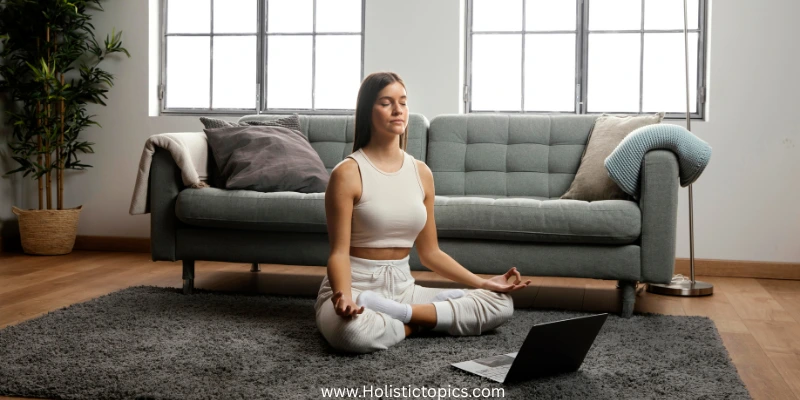
A meditation space can become one of the most peaceful corners in your home. It is a place where your mind slows down and your body relaxes. Creating a meditation space does not require a big room or expensive items. Even a small, quiet corner with the right intention can help you feel grounded.
This guide will help you design a simple yet soothing meditation space that supports your daily practice and helps you enjoy more calm in your life.
Why a Meditation Space Matters
Meditating in the same spot each day helps your mind settle faster. Your brain begins to associate that place with peace, which makes it easier to relax. Research from the National Institutes of Health suggests that regular meditation can reduce stress and improve emotional balance.
A dedicated space also creates a break from your busy routine. When you step into your meditation area, your mind receives a clear message that it is time to slow down. This simple habit can help you move from stress into clarity more easily.
Mayo Clinic also explains that meditation can ease anxiety, improve focus, and support emotional well-being when practiced regularly.
Choosing the Right Spot at Home
The right spot for meditation feels quiet, light, and comfortable. A corner that receives gentle natural light is ideal. East-facing spots are calming because the morning light feels soft and peaceful. If your home does not get much sunlight, warm indoor lighting works just as well.
You can use any space that feels private. A corner of your bedroom, a small area in the living room, a balcony edge, or even a closet can work. Some people use a folding screen to create separation in a shared home. What matters most is that you feel safe and undisturbed in that space.
Here is an example.
A woman living in a small apartment used the space beside her bedroom window. She placed one cushion, one plant, and a small lamp. That simple setup gave her a quiet place to breathe every morning, even in a busy household.
Essential Items for Your Meditation Space
A meditation space does not need many items. A few simple pieces can create comfort and support your practice.
- A meditation cushion or folded blanket
- A yoga mat or small rug
- A sturdy chair if floor seating is not comfortable
- A soft blanket for warmth
- A plant to add freshness
- A small shelf or table for personal items
- A storage basket to keep the area neat
Indoor plants like pothos, snake plant, or peace lily help clean the air. NASA’s Clean Air Study found that certain indoor plants reduce toxins, making the space feel fresh and inviting.
Setting the Mood with Light, Scent, and Sound
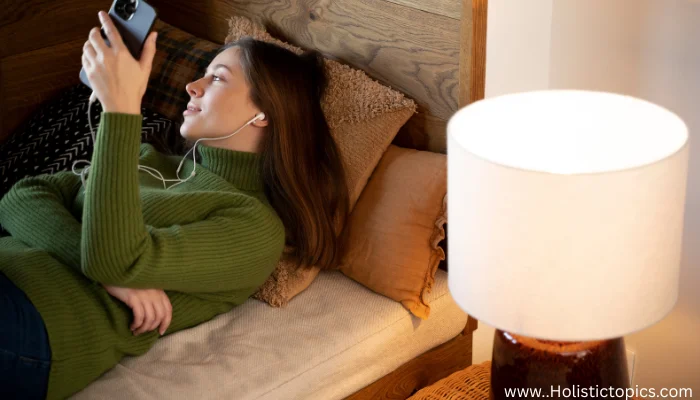
The atmosphere of your meditation space plays a big role in how calm you feel.
Soft lighting can help your mind unwind. Sheer curtains, warm lamps, or gentle candlelight all work well. Many people light a candle at the start of their practice as a calming ritual.
Scents also influence mood. Lavender, sandalwood, frankincense, and cedarwood are popular choices. Even a small amount in a diffuser or one incense stick can make the space feel peaceful. Aromatherapy research shows that calming scents can reduce stress and encourage relaxation.
Sound can help you stay focused if your home is noisy. Nature sounds, soft instrumental music, or a small water fountain can create a soothing backdrop. Noise-canceling headphones work well if you live in a busy environment.
Mindful Design and Decor Tips
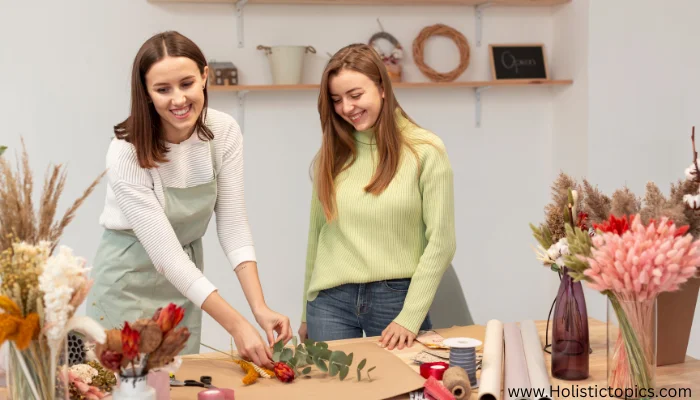
Design your meditation space with intention. Choose soft colors such as cream, pale blue, mint green, or beige. These shades help your mind feel steady and relaxed. Avoid bright or bold colors since they can distract you.
Keep your decor simple. A single candle, a small statue, or a calming piece of artwork is enough. Too many decorations can make your mind feel busy.
Textures help set the mood. Cotton, wool, and linen are soft and grounding. A small rug, cushion cover, or fabric curtain can make the space feel warm and comforting.
Natural objects like smooth stones, shells, or fresh flowers create a deeper sense of connection with nature.
Personalizing Your Meditation Area
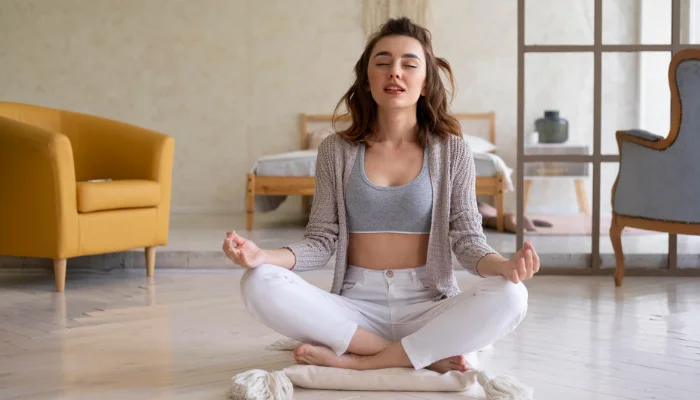
Your meditation space should feel personal and meaningful. You can add items that support your intention and reflect your inner journey.
Some helpful personal touches include
- A journal for thoughts and gratitude
- A crystal or natural stone
- A positive affirmation card
- A bowl of water or flowers
- Photos that inspire calm
- A handwritten intention
Choose items that truly make you feel peaceful. Personal touches should support your practice, not distract from it.
Maintenance and Easy Upgrades
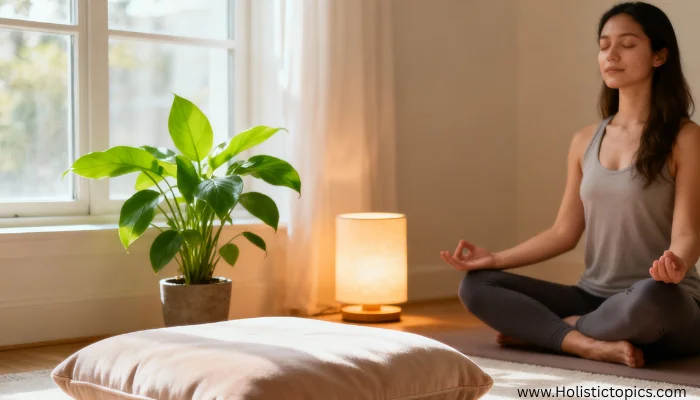
A well-cared-for meditation space feels more inviting and peaceful. Light dusting, a bit of fresh air, and simple tidying can keep the space feeling new.
You can refresh your meditation area with small upgrades, such as a new cushion cover, a fresh plant, or a softer lamp. Even small changes can bring new energy into the space.
If you share your home, let others know that this area is meant for quiet time. A simple reminder or small sign helps everyone respect the space.
Common Mistakes to Avoid
Avoiding common mistakes can make your meditation space more effective.
- Filling the space with too many objects
- Using bright or harsh lighting
- Keeping electronics nearby
- Allowing clutter to build up
- Using bold or loud colors
- Meditating in a high-traffic area
A simple, calm, and organized space supports a peaceful mind.
You can build a meditation space even in the smallest home. A window seat, balcony corner, or under-stair space can all work. Some people turn a small closet into a cozy meditation nook.
If you have very little room, create a portable meditation kit. Use a basket to store a cushion, incense, a journal, and a candle. Bring it out when you meditate and put it away afterward.
Soft lighting, a small rug, or a portable curtain can help mark your meditation time, even in a shared environment.
Conclusion
Creating a peaceful meditation space is a simple way to welcome calm into your daily life. You do not need a large room or expensive decor. A quiet corner, soft colors, and meaningful design can turn any part of your home into a soothing sanctuary. With consistent care and personal intention, your meditation space will grow with you and support your inner peace.
FAQ‘s
1. What is the best place for meditation at home?
A quiet spot with natural light and low noise helps you relax more easily.
2. Can I meditate in a noisy home?
Yes. You can use headphones, earplugs, or gentle background sounds.
3. Do I need special furniture?
No. A cushion, blanket, or simple chair is enough for most people.
4. How can I use scents safely?
Use small amounts of essential oils or incense in calming scents like lavender or sandalwood.
5. How do I keep the space feeling special?
Keep it clean and update it with small touches such as a new plant, fresh flowers, or new intentions.
