
Introduction
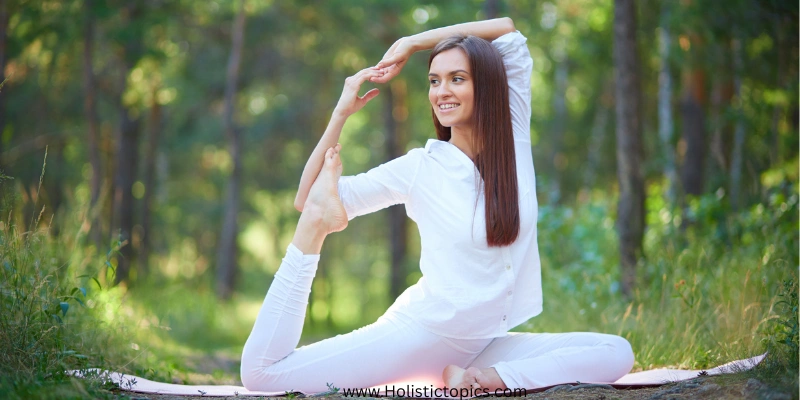
6 Essential Yoga Poses to Transform Your Body & Mind gives you a simple yet powerful yoga routine that anyone can do. Yoga is not just about flexibility; it connects your body, breath, and mind. Even 15 minutes a day can reduce stress, improve strength, and increase focus. Even if you are a beginner, these beginner yoga poses are easy to learn and help you build strength, balance, and calmness, even if you are completely new to yoga.
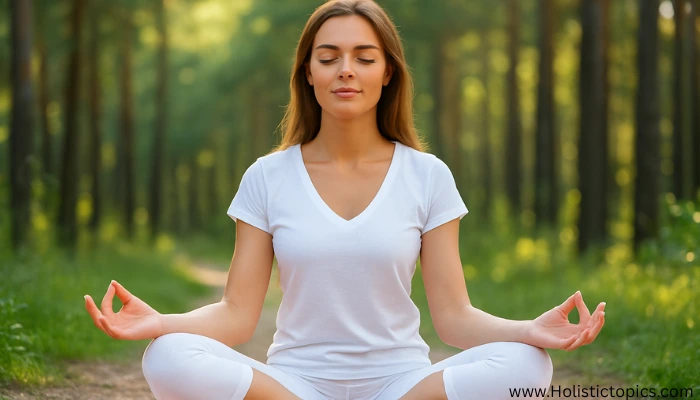
These 6 essential yoga poses are ideal for beginners because they build strength, boost focus, and reduce stress in just a few minutes a day.
Why Yoga Poses Matter for Body and Mind
Yoga is one of the most effective ways to strengthen your body while calming your mind. Regular practice improves posture, flexibility, and mental focus.
Each pose is designed to engage muscles, stretch joints, and centre your thoughts. The mind-body connection built through yoga has been linked to reduced anxiety and better overall well-being.
Whether you are a complete beginner or someone returning to the mat, these six poses are a perfect starting point. These easy yoga poses for beginners make the practice simple and accessible, allowing anyone to improve posture, flexibility, and mental focus.
The First Pose: Mountain Pose (Tadasana)
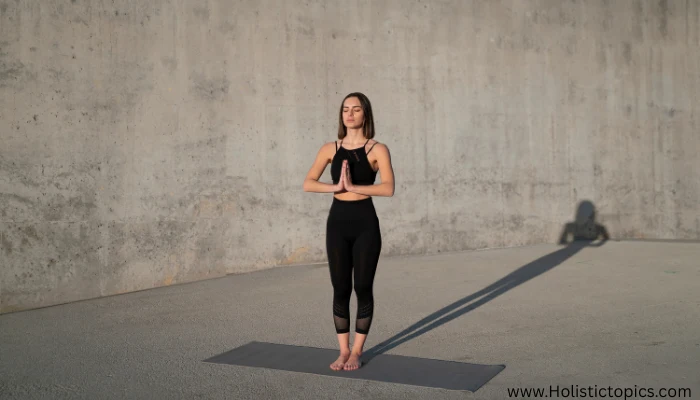
How to do it:
- Stand with your feet hip-width apart.
- Keep your spine straight, arms at your sides, and palms facing forward.
- Engage your thighs and take slow, steady breaths.
Why it helps:
Mountain Pose builds posture, balance, and confidence. It teaches awareness of body alignment and sets the foundation for all standing poses.
Tip: Close your eyes and feel your feet rooted in the ground. Imagine strength rising from your feet up through your spine.
The Second Pose: Warrior II (Virabhadrasana II)
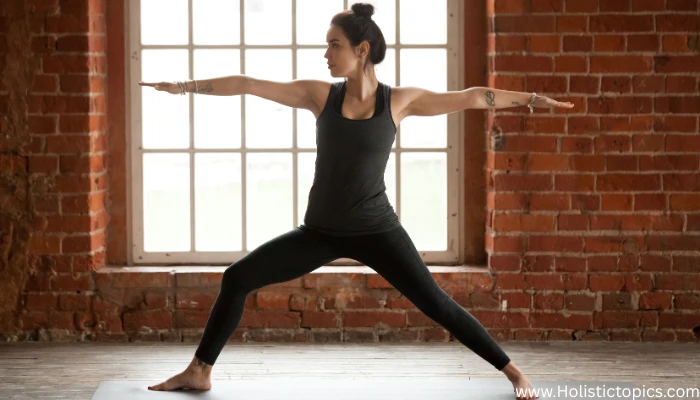
How to do it:
- Step one foot forward and the other back about three feet.
- Bend your front knee while keeping your back leg straight.
- Extend your arms out to the sides and gaze over your front hand.
Why it helps:
Warrior II strengthens your legs, opens your hips, and builds focus. It energizes the body while encouraging mental clarity.
Tip: As you hold this pose, think of yourself as strong and unshakable. Focus on your breath to maintain stability.
The Third Pose: Tree Pose (Vrksasana)
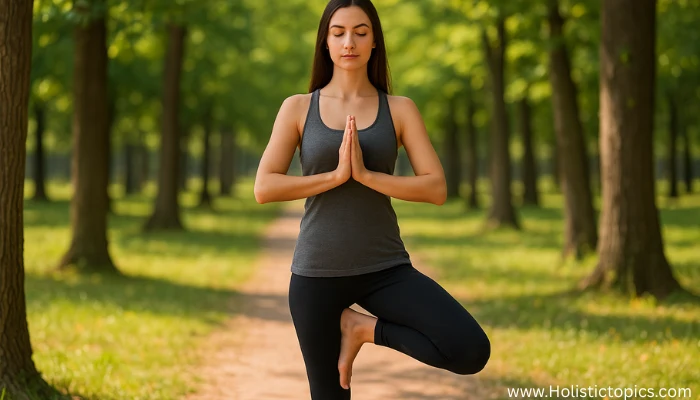
How to do it:
- Take a tall stance and transfer your weight to one foot
- Place the sole of your other foot inside the opposite calf or thigh (avoid the knee).
- Bring your palms together at your heart or raise them overhead.
Why it helps:
Tree Pose improves balance, coordination, and concentration. It strengthens the legs and teaches patience and mental stillness.
Tip: Pick a fixed point in front of you to help maintain balance. If you wobble, simply refocus and begin again.
The Fourth Pose: Downward-Facing Dog (Adho Mukha Svanasana)
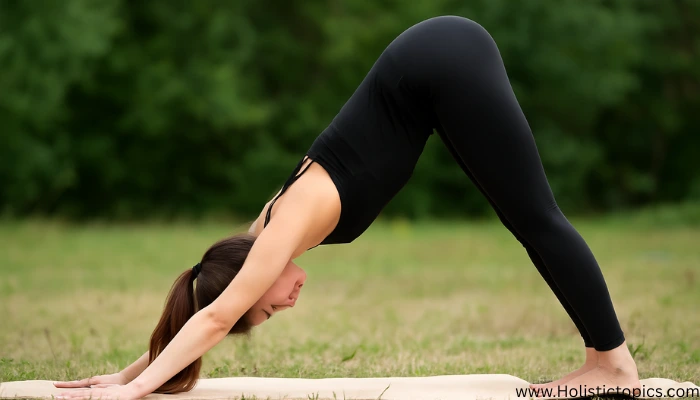
How to do it:
- Begin on your hands and knees.
- Straighten your legs and raise your hips toward the ceiling to create an inverted “V.””
- Press your palms into the mat and relax your head between your arms.
Why it helps:
Downward-facing dog stretches the spine, shoulders, and legs. It strengthens your arms and improves blood circulation.
Tip: Focus on your breath. With each exhale, imagine tension melting away from your body.
The Fifth Pose: Cobra Pose (Bhujangasana)
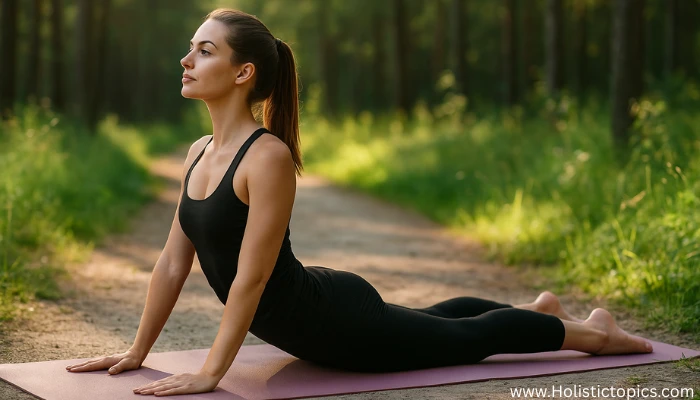
How to do it:
- Lie face down on the mat with your hands under your shoulders.
- Press into your palms to lift your chest slightly.
- Keep your elbows bent and your gaze forward.
Why it helps:
Cobra Pose strengthens your back and opens your chest. It improves flexibility in your spine and counteracts poor posture from sitting too long.
Tip: As you lift your chest, visualise opening your heart and breathing in calm energy.
The Sixth Pose: Child’s Pose (Balasana)
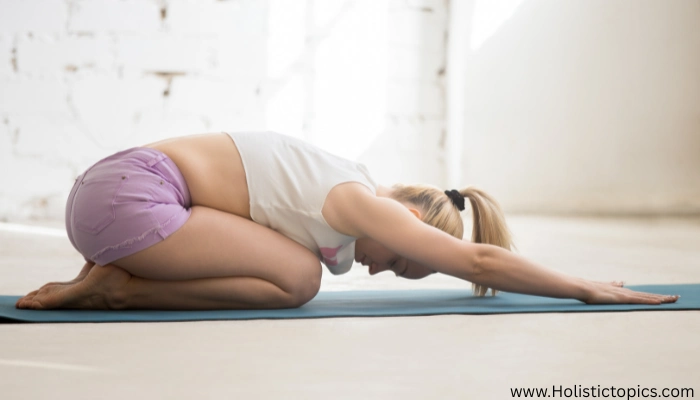
How to do it:
- Kneel on the ground and sit back on your heels.
- Extend your arms forward and rest your forehead on the mat.
- Keep your knees slightly apart for comfort.
Why it helps:
Child’s Pose relaxes your spine and releases tension from the hips and shoulders. It is a gentle resting position that restores energy and mental peace.
Tip: Stay in this pose for a minute or more, breathing deeply. Allow yourself to completely relax.
How to Build a Consistent Yoga Routine
Beginners can use these 6 essential yoga poses to create a short, effective routine that fits easily into daily life.
- Practice at the same time daily (morning or evening).
- Start with these six poses for 10–15 minutes.
- Focus on breathing and body awareness, not perfection.
- Keep a yoga journal to note how you feel after each session.
- Gradually add meditation or breathing exercises for deeper focus.
Consistency is key. Practicing these basic yoga poses regularly helps create a strong foundation and supports long-term progress. These beginner poses are especially effective when paired with a mindful stress-relief practice. Learn more in our guide to beginner yoga for stress relief.
Conclusion
These six yoga poses can truly transform your body and mind when practiced regularly. Mountain Pose builds grounding, Warrior II encourages strength, Tree Pose teaches balance, Downward Facing Dog enhances flexibility, Cobra Pose improves posture, and Child’s Pose restores calm.
You do not need to be an expert to begin; all you need is patience and commitment. With time, these poses will help you feel more energized, centered, and confident both on and off the mat. These yoga poses for body and mind work together to improve strength, release stress, and bring more balance into your daily life.
FAQs
Q1. Can beginners do these poses safely?
Yes, all six poses are suitable for beginners. Move slowly and listen to your body.
Q2. How long should I hold each pose?
Start with 20–30 seconds and gradually increase as your comfort improves.
Q3. How often should I practice yoga for results?
Aim for at least 3–5 sessions per week to see noticeable physical and mental benefits.
Q4. Do I need special equipment?
You only need a yoga mat or a non-slip surface. A cushion or towel can support your knees if needed.
Q5. Can yoga replace workouts or therapy?
Yoga complements other workouts and mental health practices, but should not replace medical care.
Sources
- Harvard Health Publishing. Yoga Benefits Beyond the Mat. health.harvard.edu
- Johns Hopkins Medicine. 9 Benefits of Yoga. hopkinsmedicine.org
- National Center for Complementary and Integrative Health. Yoga: Effectiveness and Safety. nccih.nih.gov
- Healthline. 12 Science-Based Benefits of Yoga. healthline.com
- UCLA Health. A New Understanding of the Power of Yoga. uclahealth.org
