
Introduction
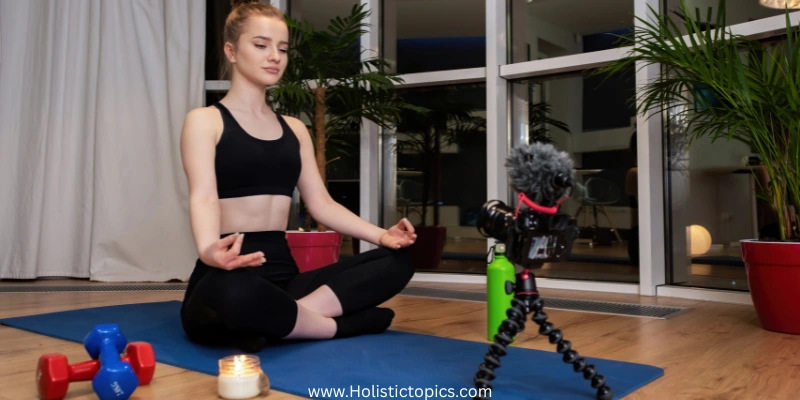
In a world full of noise and deadlines, many people feel tense and anxious. Practicing beginner yoga for stress relief is one of the easiest and most natural ways to bring peace to both body and mind. Yoga is not just exercise; it is a science of balance. Through gentle movement, deep breathing, and mindful focus, yoga helps you release stress and build inner calm.
This article will guide you step by step. You will learn how yoga reduces stress, explore easy yoga poses for anxiety, understand the mental health benefits of yoga, and discover simple ways to start your own relaxing routine.
What Is Yoga and How Does It Help Relieve Stress
Yoga is an ancient wellness practice that began in India over five thousand years ago. It combines movement, breathing, and meditation to bring harmony between body and mind.
When practiced regularly, yoga supports mental and physical balance. It can help calm your nervous system, improve your posture, and create a feeling of inner stability.
Beginner Yoga for Stress Relief: Key Benefits
- Helps reduce stress hormones like cortisol
- Promotes relaxation through slow and steady breathing
- Improves focus and emotional control
- Supports better sleep and recovery
- Increases body awareness and mindfulness
Yoga teaches that true relaxation is not just physical but also mental. As the mind achieves stillness, the body correspondingly responds.
How Yoga Reduces Stress and Improves Mental Health
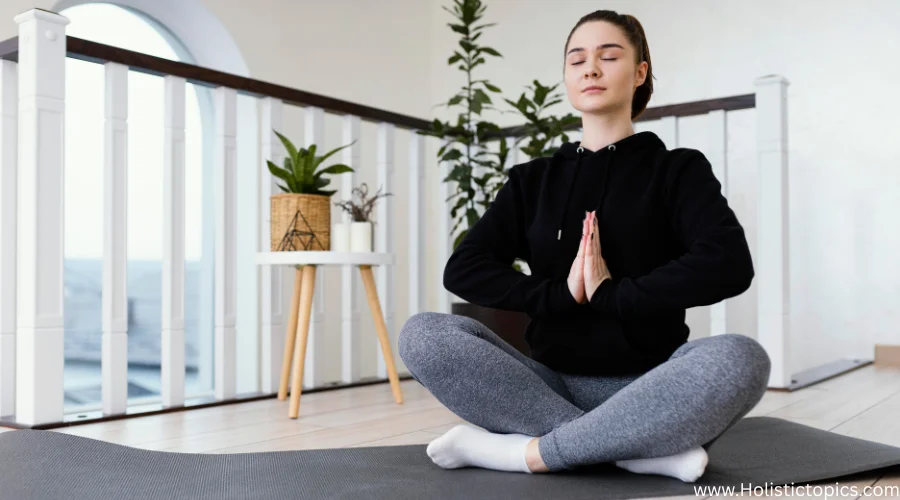
Many people now practice yoga for mental health because it improves mood, reduces anxiety, and strengthens emotional well-being. The secret lies in its influence on the nervous system and the mind-body connection.
When you practice yoga, your breathing slows down, and your heart rate becomes steadier. This activates the parasympathetic nervous system, which is responsible for rest, digestion, and recovery. As a result, stress signals in the brain begin to fade.
The Science of Yoga and Mental Health
Research shows that regular yoga practice can:
- Lower blood pressure and reduced heart rate
- Improve the production of serotonin, the happiness hormone
- Decrease anxiety and depression symptoms
- Improve sleep patterns
- Enhance focus, memory, and mood regulation
Yoga also releases physical tension stored in muscles, helping you feel lighter and more at ease. Over time, this combination of mental calm and physical relaxation becomes a natural stress shield.
Easy yoga poses for anxiety and relaxation
If you are a beginner, do not worry. You do not need to be flexible or strong to benefit from yoga. Here are some easy yoga poses for anxiety that anyone can do at home.
1. Child’s Pose (Balasana)
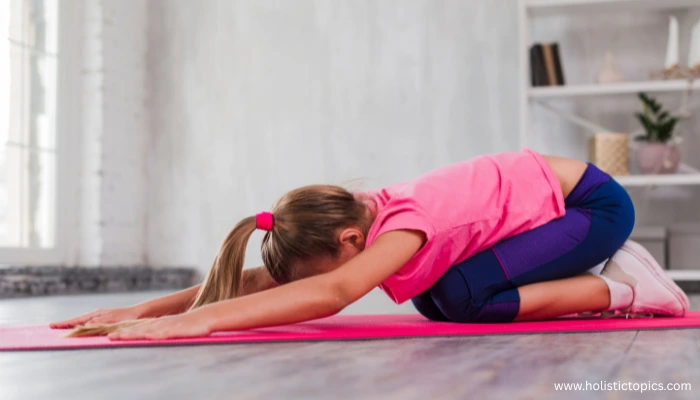
Fold your torso forward while kneeling on your mat and sitting back on your heels. Extend your arms in front or rest them beside your body.
Benefits: Calms the mind, releases tension in the back and shoulders, and promotes deep relaxation.
2. Cat and Cow Pose (Marjaryasana and Bitilasana)
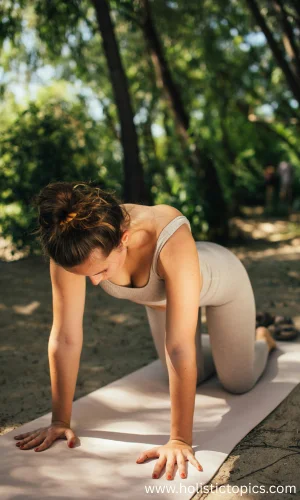
Start on hands and knees. Inhale and arch your back for Cow; exhale and round your spine for Cat.
Benefits: Eases stiffness in the spine, helps coordinate breath with movement, and reduces stress-related tightness.
3. Seated Forward Fold (Paschimottanasana)
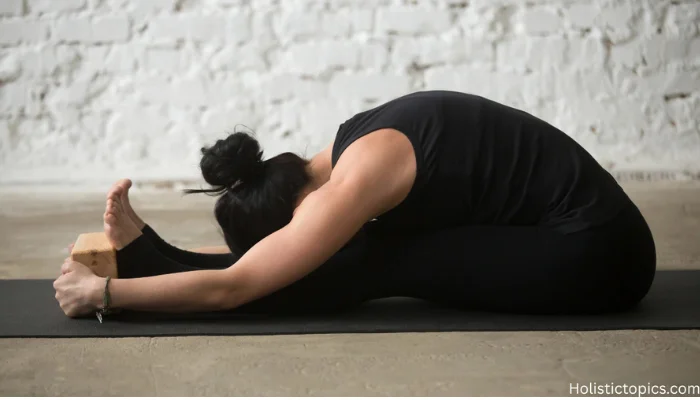
Sit with legs extended. Inhale and stretch your spine; breathe out and bend forward at the hips.
Benefits: Stretches the hamstrings, calms the nervous system, and reduces fatigue.
4. Legs Up the Wall (Viparita Karani)
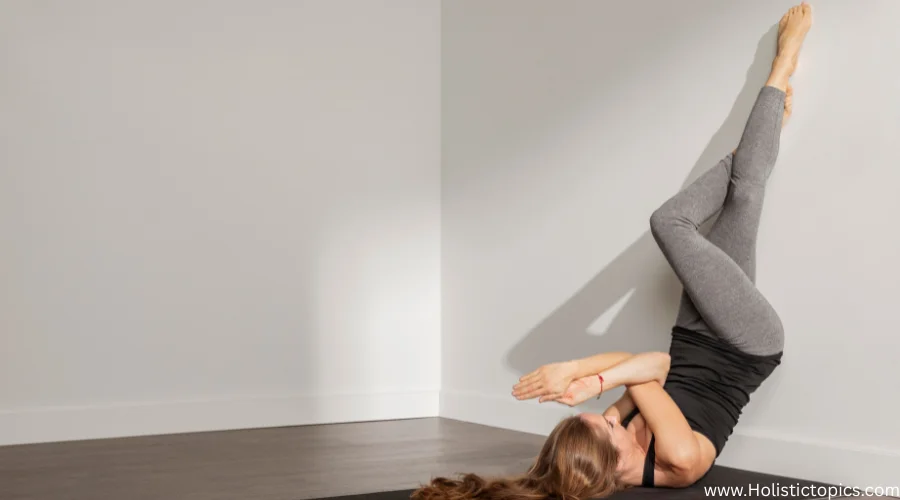
Lay down on your back and place your legs up against a wall. Close your eyes and breathe deeply.
Benefits: Improves blood circulation, relaxes the mind, and helps reduce anxiety.
5. Corpse Pose (Savasana)
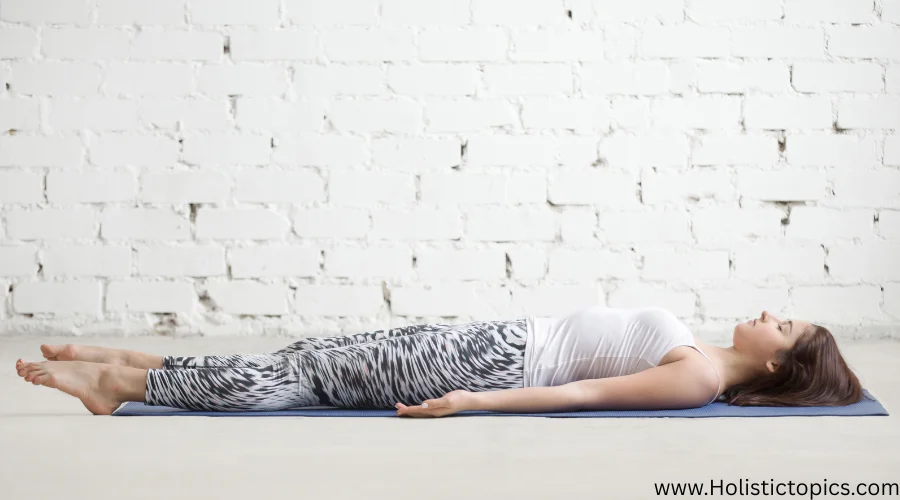
Lay down on your back with your arms at your sides, and your eyes closed. Focus on your breath and allow your body to rest completely.
Benefits: Encourages total relaxation and helps release all physical and mental tension.
Practice these poses slowly for about ten to fifteen minutes every day. Focus on your breathing rather than perfect alignment. The goal is calmness, not perfection.
How to Build a Simple Yoga Routine for Stress Relief
To experience the real benefits of yoga, consistency is more important than duration. You can begin with this fifteen-minute beginner yoga for stress relief routine:
- Warm-Up (2 minutes): Gentle neck rolls and shoulder stretches.
- Cat and Cow (2 minutes): Link movement with your breath.
- Child’s Pose (2 minutes): Feel your body relax and sink deeper into the mat.
- Seated Forward Fold (2 minutes): Calm your nervous system.
- Legs Up the Wall (3 minutes): Let your mind become still.
- Savasana (4 minutes): Rest completely and enjoy silence.
End your session with slow breathing and a brief intention, such as “I choose peace today.” Over time, this simple practice can help you manage anxiety and daily stress with ease. Practicing basic yoga poses can enhance your stress-relief routine — explore 6 essential yoga poses for beginners to deepen your practice.
Breathing and Mindfulness Practices for Calmness
Breathing is the heart of yoga. The way you breathe has a direct impact on your emotional state. When your breath is deep and slow, your mind naturally feels peaceful. These simple breathing exercises for calmness slow your heart rate and quickly reduce anxiety.
Diaphragmatic Breathing
- Place one hand on your chest and the other on your stomach while you sit comfortably.
- Inhale through your nose, allowing your stomach to rise.
- Exhale slowly and feel your stomach fall.
Repeat this for two to three minutes. It sends a message to your brain that you are safe and calm.
Box Breathing
- Inhale for four counts.
- Hold for four counts.
- Exhale for four counts.
- Hold again for four counts.
This technique helps stabilize your heartbeat and release anxiety quickly.
Mindfulness Practice
During your yoga session, focus your mind completely on each movement and breath. Bring your thoughts back with gentleness whenever they stray. This awareness strengthens mental control and reduces stress patterns in the brain.
Safety Tips for Beginners
Starting yoga is simple, but safety is essential. Follow these basic guidelines to enjoy your practice without injury.
- Practice on a soft, non-slippery surface such as a yoga mat.
- Wear light, comfortable clothing.
- Move slowly and never push yourself into pain.
- Keep your breathing steady and natural.
- If you have medical conditions or injuries, consult your doctor or a certified instructor.
- Stay hydrated and rest when needed.
- Make consistency your goal instead of intensity.
With patience, you will notice improvements in both body and mind. If you’re new to yoga, make sure you’re practicing safely — read our yoga safety tips for beginners before you begin.
Conclusion
Practicing beginner yoga for stress relief is a gentle and powerful way to bring balance to your life. With regular practice, you will feel calmer, more focused, and more confident in managing stress and anxiety.
You do not need to be perfect or flexible. All you need is a few minutes each day, a quiet space, and a willingness to breathe and move with awareness. Over time, these small efforts build strong mental resilience and lasting peace.
So roll out your mat, take a deep breath, and begin your journey to calmness today.
Frequently Asked Questions
1. Is beginner yoga good for stress?
Yes, beginner yoga helps lower cortisol, improve breathing, and relax tense muscles, making it one of the best practices for stress relief.
2. How often should beginners do yoga for stress relief?
Practicing 10 minutes daily or 3-4 times a week can create noticeable improvements in mood and relaxation.
3. Which yoga pose is best for reducing stress?
Child’s Pose, Forward Fold, and Legs-Up-the-Wall are considered the most calming poses for beginners.
4. What are the best easy yoga poses for anxiety?
Child’s Pose, Legs Up the Wall, and Seated Forward Fold are simple and calming. They help slow your breathing and relax your nervous system.
5. Can yoga replace therapy or medication?
Yoga is a helpful complement to professional care, but not a replacement. You can use it alongside therapy or medication for better results.
6. When is the best time to practice yoga for stress relief?
Morning or evening is ideal. Practicing in the morning energizes your day, while evening yoga helps release stress and improve sleep.
7. How does yoga improve mental health?
Yoga enhances brain function, balances hormones, and teaches mindfulness. It improves self-awareness and emotional stability, which reduces anxiety and depression.
Sources
- Harvard Health Publishing. Yoga for better mental health.
https://www.health.harvard.edu/staying-healthy/yoga-for-better-mental-health - Johns Hopkins Medicine. 9 Benefits of Yoga.
https://www.hopkinsmedicine.org/health/wellness-and-prevention/9-benefits-of-yoga - Cleveland Clinic. Yoga: What It Is, Health Benefits, and How to Get Started.
https://my.clevelandclinic.org/health/treatments/17906-yoga - National Center for Complementary and Integrative Health (NCCIH).Yoga: In Depth.https://www.nccih.nih.gov/health/yoga-in-depth
