
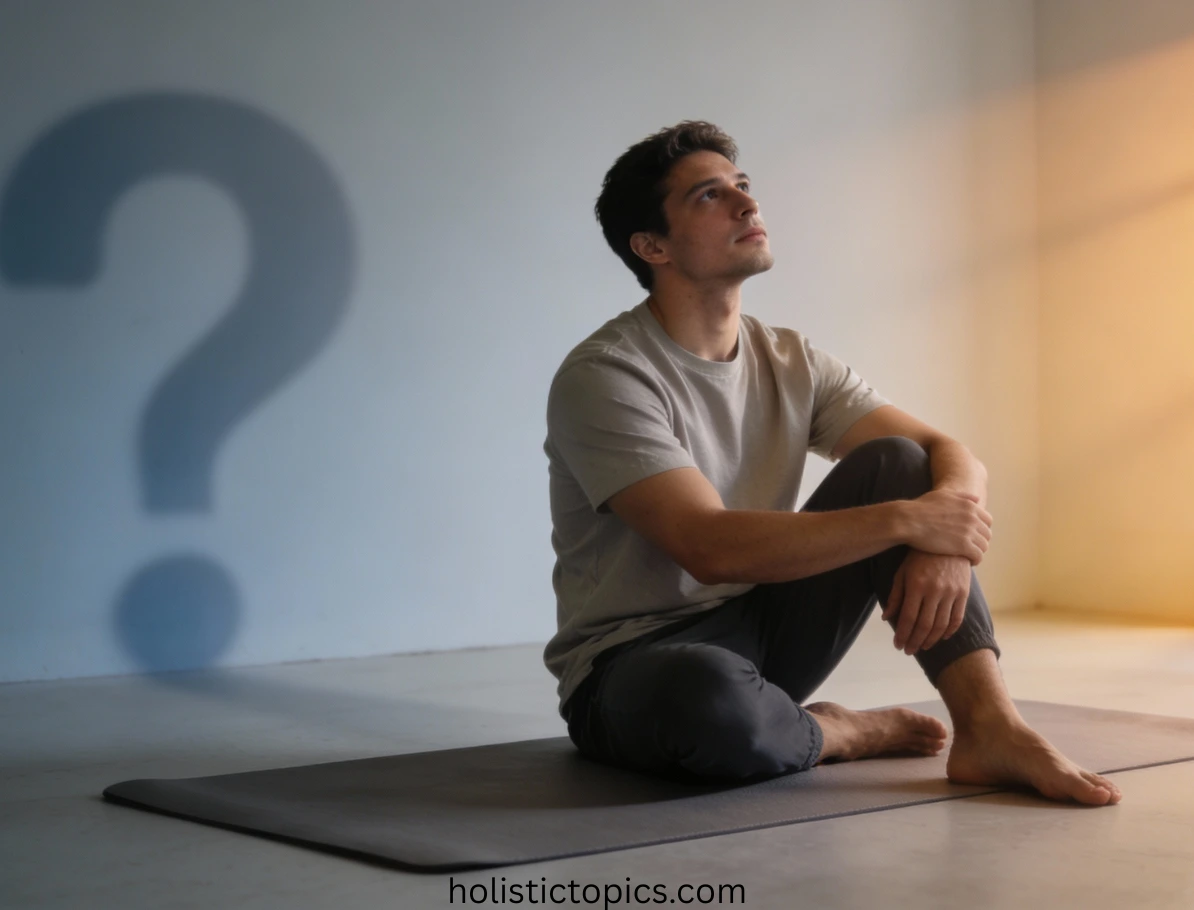
Yoga usually doesn’t arrive in our lives with deep questions attached to it.
For most of us, it starts very simply.
A stiff back after work.
A YouTube video promising better sleep.
A doctor suggests light stretching.
A friend said, “Try yoga; it really helps.”
And then, somewhere along the way, a thought pops up that feels heavier than a sore muscle:
“Is yoga demonic?”
If you’ve ever asked this—or even felt uneasy after hearing sermons, reels, or viral posts questioning yoga—you’re not alone. This concern is far more common than people admit. And it deserves a clear, calm, human answer—not fear, not judgment.
So let’s start plainly.
Yoga itself is not demonic.
For the vast majority of people today, yoga is a form of physical exercise and mental relaxation—not devil worship, not a religious conversion, and not a spiritual trap.
The confusion doesn’t come from what people actually do in yoga.
It comes from what people have heard about yoga.
Why Are So Many People Asking “Is Yoga Demonic” Today?
This question didn’t come out of nowhere.
In recent years, social media and short-form content have played a big role. A 30-second clip can label yoga as “satanic,” a pose as “spiritual danger,” or breathing exercises as “opening doors.” When complex topics are reduced to shocking soundbites, fear spreads faster than facts.
Another reason is cultural distance.
Yoga did not originate in Western religious traditions. Whenever something unfamiliar crosses cultural or religious boundaries, people naturally ask questions. That doesn’t mean they are closed-minded—it means they care about protecting their beliefs.
Most people asking “Is yoga demonic?” aren’t attacking yoga.
They’re protecting their faith, their values, and their spiritual safety.
That matters.
What Yoga Actually Is: Ancient Roots vs Modern Reality
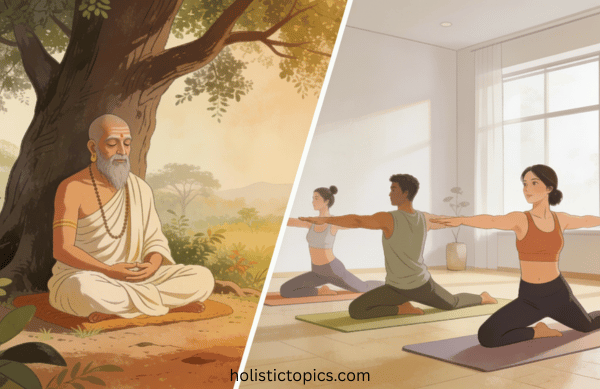
Yes, yoga has ancient origins. Historically, it was part of a broader philosophical system that included ethics, discipline, breathing, meditation, and self-awareness.
But here’s what often gets missed:
Modern yoga is not ancient yoga.
Today, yoga in the US, UK, Canada, Australia, and many other countries looks like this:
- Stretching tight muscles
- Improving flexibility and posture
- Reducing stress and anxiety
- Supporting back pain and joint health
Most yoga instructors are trained in anatomy—not theology. Most classes talk about alignment, safety, and breathing—not belief systems.
The average yoga student is not seeking spiritual enlightenment.
They’re seeking relief from pain, stress, or burnout.
This disconnect between where yoga came from and how yoga is practiced today is where most misunderstandings begin.
Is Yoga Satanic or Spiritually Dangerous?
This is where fear-based claims often enter the conversation.
Some argue that:
- Yoga poses are acts of worship
- Sanskrit words carry spiritual power
- Breathing opens spiritual doors
Taken out of context, these claims sound frightening.
But in real-life practice, yoga is shaped by intention.
A stretch is a stretch.
A breath is a breath.
A posture is simply how the body is positioned.
Doing a forward bend in a yoga class is no different—physically—than bending to tie your shoes. The meaning comes from the mind, not the movement.
For millions of people, yoga feels no different from physiotherapy, Pilates, or guided stretching.
That’s why many who once feared yoga later realize:
“This doesn’t feel spiritual or demonic at all—it just feels good for my body.”
Can Christians Practice Yoga?
Christian views on yoga are not one-size-fits-all.
Some churches discourage yoga entirely, believing its roots conflict with Christian faith. Other pastors and Christian health professionals openly support yoga when it’s practiced as physical exercise only.
Many Christians who do yoga set clear boundaries, such as:
- Avoiding chanting or mantras
- Skipping guided meditation that feels uncomfortable
- Treating yoga as body care, not spiritual practice
For them, yoga becomes similar to stretching before prayer or exercise after church.
In that context, the question “Is yoga demonic?” often fades—because the practice no longer conflicts with their faith.
Is Yoga Allowed in Islam?
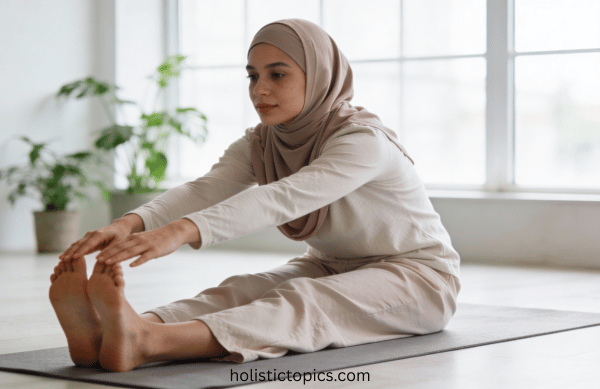
Muslim perspectives on yoga are also diverse and nuanced.
Some scholars caution against yoga due to its historical spiritual elements. Others allow yoga when it is practiced strictly for health, flexibility, or medical reasons.
Many Muslims who practice yoga:
- Choose non-spiritual classes
- Avoid symbolic language
- Focus on posture, breathing, and relaxation
Here, niyyah (intention) matters greatly.
When yoga is treated as exercise—not worship—it is often seen as neutral movement, not a religious act.
Yoga as Spiritual Practice vs Yoga as Exercise
This distinction is crucial.
Yoga exists on a spectrum.
On one end:
- Meditation
- Philosophy
- Spiritual discipline
On the other end:
- Stretching
- Stress relief
- Physical therapy
Most modern yoga classes sit firmly on the exercise side of that spectrum.
Understanding this gives people freedom:
- You can participate selectively
- You can modify or opt out
- You can choose something else entirely
Yoga is not all or nothing.
Why Yoga Became Controversial in Western Culture
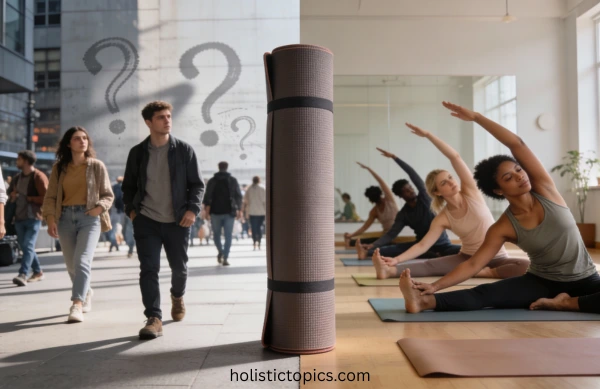
Yoga’s popularity made it visible—and visibility invites controversy.
When something unfamiliar becomes mainstream, it often gets misunderstood. Media and viral content amplify extreme views because strong opinions attract clicks.
But outside the noise, millions of people quietly practice yoga without spiritual conflict, fear, or guilt. The controversy often lives online—not in real studios or real bodies.
Listening to Your Own Comfort and Beliefs
This matters more than any argument.
If yoga feels uncomfortable for you—emotionally or spiritually—you don’t owe anyone an explanation. Wellness should never feel like pressure.
Yoga is optional.
So is walking.
So is stretching.
So is rest.
Choosing what aligns with your beliefs is not a weakness. It’s wisdom.
A Gentle, Honest Way Forward
Yoga does not demand devotion.
It does not require belief.
It does not force spirituality.
It can be:
- A quiet stretch at home
- A physical therapy routine
- A class you try once—or never
All of those choices are valid.
If the question “Is yoga demonic?” has stayed with you, let it lead you to understanding—not fear. Learn. Reflect. Decide for yourself.
Peace comes from clarity.
And clarity comes from honest conversations—like this one.
