
Breathing practices, known as pranayama, calm the nervous system, reduce stress, and restore mental balance. By regulating breath through techniques like Anulom Vilom and mindful breathing, Pranayama improves focus, emotional stability, and overall well-being—making it one of the most effective natural tools for lasting calm.
Introduction: Why Calm Begins With the Breath
Stress does not begin in the mind—it begins in the breath.
When we feel anxious, overwhelmed, or mentally exhausted, our breathing becomes shallow, fast, and irregular. Over time, this breathing pattern trains the nervous system to stay in survival mode. Pranayama, the yogic science of breath regulation, reverses this process by teaching the body how to feel safe again.
Unlike quick relaxation hacks, breathing practices for calm work at the nervous-system level, making them effective for long-term stress relief, emotional regulation, and mental clarity.
What Is Pranayama, and How Does It Create Calm?
Pranayama is a core limb of yoga focused on conscious control of inhalation, exhalation, and pauses between breaths. In yogic philosophy, breath is the carrier of prana—the life force that sustains both body and mind.
From a scientific standpoint, pranayama works because it:
- Activates the parasympathetic (calming) nervous system
- Lowers cortisol and adrenaline levels
- Improves heart rate variability (HRV)
- Regulates oxygen and carbon dioxide balance
Clinical studies referenced by institutions like Harvard Medical School and the National Institutes of Health show that slow, controlled breathing can significantly reduce anxiety, stress, and emotional reactivity.
The Breath–Mind Connection: Why Breathing Controls Stress
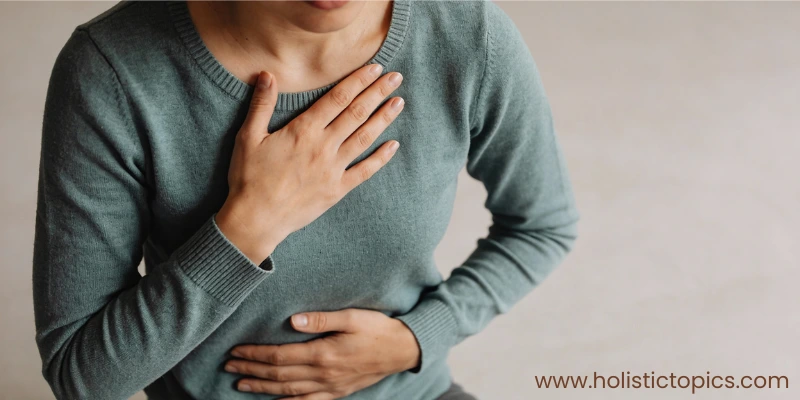
Most people breathe unconsciously—and incorrectly.
Chest-based breathing signals the brain that danger is present. This keeps the body stuck in fight-or-flight mode, even when no real threat exists. Pranayama shifts breathing to the diaphragm, sending a powerful signal of safety to the brain.
As a result:
- Heart rate slows
- Muscles relax
- Thoughts become less scattered
- Emotional responses soften
This is why breathing practices are often recommended by psychologists and integrative medicine specialists as a first-line tool for stress management.
Foundational Breathing Practices (Pranayama) for Calm
1. Anulom Vilom (Alternate Nostril Breathing)
Anulom Vilom is one of the most effective breathing practices for calming the mind and balancing emotions.
Key benefits include:
- Reduces anxiety and mental restlessness
- Balances left and right brain hemispheres
- Improves focus and emotional stability
- Supports heart and respiratory health
Although simple in appearance, this practice becomes truly effective only when timing, breath length, and awareness are correct. Many practitioners miss these details, which is why understanding the hidden secrets of anulom vilom can dramatically improve results.
2. Bhramari Pranayama (Humming Bee Breath)
Bhramari involves slow breathing combined with gentle humming during exhalation. The vibration directly stimulates the vagus nerve, calming the brain almost immediately.
Best for:
- Racing thoughts
- Emotional agitation
- Poor sleep
- Mental fatigue
Research published in yoga therapy journals shows Bhramari can reduce stress and improve mood within minutes of practice.
3. Deep Diaphragmatic Breathing
This is the foundation of all Pranayama practices.
By breathing deeply into the abdomen rather than the chest, diaphragmatic breathing:
- Improves oxygen efficiency
- Slows heart rate
- Creates immediate calm
- Enhances body awareness
Medical centers such as the Cleveland Clinic recommend diaphragmatic breathing as a core technique for anxiety and stress reduction.
When Calm Also Needs Energy
Not all stress feels anxious. Sometimes stress feels like exhaustion, heaviness, or mental fog. In such cases, gentle energizing breathwork helps restore balance without overstimulation.
Certain pranayama techniques help:
- Improve circulation
- Re-energize the nervous system
- Reduce stress-related fatigue
If you experience low energy alongside mental stress, the 3 powerful breath exercises to revitalize body and mind can help restore both calm and vitality when practiced correctly.
How Pranayama Transforms Mind & Body Over Time
It is not just about momentary relaxation. With consistent practice, it reshapes how the nervous system responds to life.
Long-term practitioners often report:
- Reduced emotional reactivity
- Improved sleep quality
- Greater mental clarity
- Enhanced resilience to stress
Ancient yogic texts describe these changes as the gradual purification of energy channels, while modern research explains them through improved nervous system regulation. These bigger changes are explored in detail through pranayama secrets that transform mind and body, where breathwork becomes a tool for lasting internal balance.
Common Pranayama Mistakes That Block Calm
Despite its simplicity, it is often practiced incorrectly.
Common mistakes include:
- Forcing the breath
- Holding the breath too long
- Practicing on a full stomach
- Ignoring dizziness or discomfort
- Jumping into advanced techniques too soon
These errors can reduce benefits or create unnecessary strain. Understanding pranayama mistakes beginners make helps ensure that breathing practices remain safe, calming, and effective.
Safety Guidelines for Practicing Pranayama
To practice responsibly:
- Always breathe gently and comfortably
- Practice on an empty stomach or after digestion
- Sit with a straight but relaxed spine
- Stop immediately if you feel strain or dizziness
Pregnant individuals or those with medical conditions should consult a qualified yoga instructor or healthcare professional before beginning. Global health organizations recognize breathing practices as generally safe when adapted appropriately.
How Long Does It Take for Pranayama to Reduce Stress?
This is one of the most common questions users search for.
- Immediate effects: Calmness, slower breathing, mental clarity
- 2–4 weeks: Improved stress tolerance and sleep quality
- 2–3 months: Reduced baseline anxiety and emotional resilience
Consistency matters more than duration. Even 10 minutes daily creates noticeable change.
Simple Daily Pranayama Routine for Calm
Morning (10–15 minutes):
- 3 minutes of diaphragmatic breathing
- 5 minutes Anulom Vilom
- 3 minutes Bhramari
Evening (5–10 minutes):
- Slow nasal breathing
- Gentle humming or breath awareness
This routine aligns with both yogic tradition and modern stress-management research.
Why Breathing Practices Are a Lifelong Tool for Calm
Pranayama does not eliminate challenges—it changes how your body responds to them. Over time, calm becomes your default state rather than something you chase.
By practicing consciously, breath becomes a reliable anchor in moments of stress, uncertainty, and emotional overload.
Frequently Asked Questions
What is the best pranayama for calming the mind?
Anulom Vilom is widely considered the most effective pranayama for calming the mind, as it balances the nervous system and reduces mental restlessness.
Can pranayama reduce anxiety naturally?
Yes. Regular pranayama practice activates the parasympathetic nervous system, lowering stress hormones and helping reduce anxiety naturally.
How long should beginners practice pranayama daily?
Beginners can start with 5–10 minutes daily and gradually increase to 15–20 minutes as comfort improves.
Is pranayama safe to practice every day?
Yes, gentle pranayama practices are safe for daily practice when performed correctly and without force.
When is the best time to practice pranayama for calm?
Early morning or evening, on an empty stomach, is considered ideal for achieving maximum calming benefits.
