

Introduction
Yoga might seem unclear when you try it early on, particularly if new to it. Some folks question whether starting yoga brings value or feels overwhelming right away. Actually, Yoga Benefits for Beginners stretch well past stretching or workouts alone. With soft movements, yoga aids physical comfort, settles thoughts slowly, plus builds better routines naturally over time.
Starting fresh, this guide shows new people how yoga makes everyday tasks easier through clear, doable steps.
What Is Yoga and Why Is It Good for Beginners
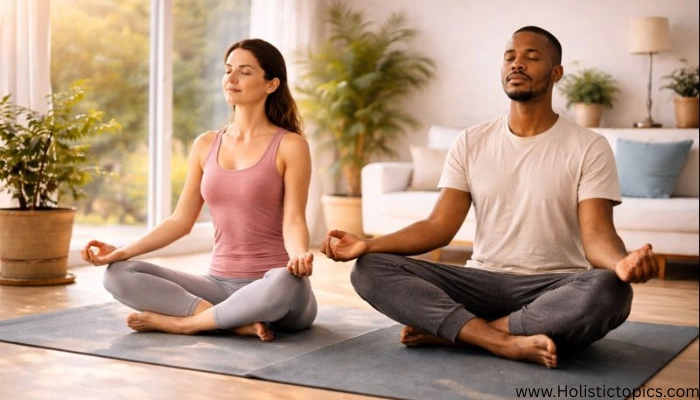
Moving slowly, breathing deeply – yoga ties motion with attention. Not about pushing hard, it builds steadiness through calm effort instead. Because ease matters more than speed, starting out feels doable at any age or strength level.
Starting slow? Yoga fits without needing much. It bends to your level, no perfect splits required. A mat helps, yet even that isn’t mandatory. Breathing guides each movement, making steps feel natural. Some find comfort in just one pose a day. Progress shows up quietly, not on command.
According to the National Center for Complementary and Integrative Health, yoga may help improve flexibility, strength, balance, and stress management when practiced regularly.
How Yoga Helps Beginners in Daily Life
Yoga is not limited to the mat. The benefits of yoga for beginners appear in daily activities like walking, working, sleeping, and managing emotions.
Yoga teaches beginners how to:
- Move the body with awareness
- Breathe calmly during stressful moments
- Improve posture while sitting or standing
- Create healthy routines with less effort
These small changes make daily life feel easier and more balanced.
7 Simple Yoga Benefits for Beginners

1. Improves Flexibility and Body Comfort
Stretching through yoga helps beginners move more freely. When muscles stay tight, they often lead to aches and slumped shoulders. Slow movements in practice loosen tension – without pressure or strain. Over time, the body learns to reach further, ease into poses, then hold them longer.
Little by little, new learners gain more flexibility. As days pass, simple actions – bending down, moving forward, stretching out – feel smoother, less stiff.
Benefits include:
- Reduced muscle stiffness
- Better joint mobility
- Less risk of minor injuries
2. Reduces Stress and Calms the Mind
Stress is one of the biggest reasons people start yoga, especially those looking for beginner yoga for stress relief that feels simple and effective. Yoga benefits for beginners include calming the nervous system through slow breathing and mindful movement.
Yoga helps beginners:
- Slow down racing thoughts
- Release physical tension
- Feel more relaxed after practice
A study published by Harvard Medical School explains that yoga activates relaxation responses that help lower stress and anxiety levels.
3. Builds Strength Without Strain
Besides stretching, starting yoga brings soft ways to grow stronger. Some postures rely on your own weight instead of machines, helping guard tendons and bones.
Yoga helps strengthen:
- Core muscles
- Legs and hips
- Arms and shoulders
Everyday actions get easier when your body can handle things like holding heavy object.Standing without tiring happens more naturally. Good alignment while sitting or moving stays steady because of it.
4. Improves Balance and Posture
When things go wrong, that is when people notice how shaky they are. Starting yoga brings better steadiness because it wakes up small muscles while teaching where the body sits in space.
Standing taller comes naturally over time. When the body learns balance through yoga, pressure eases from the neck, shoulders, and lower back.
Over time, beginners notice:
- Improved standing and sitting posture
- Fewer aches from poor alignment
- Better coordination
5. Supports Better Sleep Quality
When new people find it hard to sleep because their thoughts race or they feel tense, yoga offers gentle ways to unwind. Breathing slowly, moving softly -these help signal nighttime readiness through calm actions instead of force.
Gentle evening yoga helps:
- Calm the nervous system
- Reduce mental tension
- Improve sleep duration and quality
The Sleep Foundation reports that yoga can improve sleep by reducing stress and promoting relaxation.
6. Boosts Focus and Mental Clarity
Breathing into each pose sharpens focus over time. For those just starting out, this quiet rhythm offers a steady anchor when thoughts race.
Yoga helps beginners:
- Improve focus at work or school
- Make clearer decisions
- Feel mentally refreshed
Even short sessions can improve attention span and mental clarity.
7. Encourages Healthy Daily Habits
Starting yoga tends to bring better daily habits without effort. Right away, new practitioners start sensing how their body moves, what they do each day, feels different, along with shifts in stamina.
Yoga may inspire:
- Better eating habits
- Consistent daily routines
- Mindful stress management
These changes happen naturally without strict rules or pressure.
Is Yoga Good for Beginners of All Ages

Yes, yoga is good for beginners of all ages. Children, adults, and seniors can all practice yoga safely with proper guidance.
Yoga can be adapted for:
Limited mobility
Some find yoga works well when moving feels tough, since postures shift to match what each person can do. Sitting down or leaning on a chair or wall lets many join in. Soft motions like these move blood better, ease stiffness in joints, plus sharpen how you feel your body – no heavy strain needed.
Chronic stiffness
Built-up tightness usually comes from too much time seated or staying still. When done yoga consistently, yoga eases tension through gentle reaches and benda that won’t strain. Over weeks, motion grows easier, ordinary actions turn fluid, discomfort fades along the way.
Beginners with no fitness background
Starting out with yoga works well if you havenot been active. No need for power, quick moves,or past training. With basic postures paired with steady breath, people slowly learn what their bodies can do. Confidence grows step by step when there is space to move without pressure.
The key is to start slowly and listen to your body.
How Often Should Beginners Practice Yoga
For beginners, consistency matters more than intensity. Practicing yoga 3 to 4 times per week for 20 to 30 minutes is enough to experience benefits.
Helpful tips:
- Start with short sessions
- Focus on comfort, not perfection
- Increase duration gradually
Even 10 minutes a day can support positive change.
Common Mistakes Beginners Should Avoid
Beginners often expect quick results. Yoga works best with patience.
Avoid:
Forcing poses
Pushing yourself too hard might lead to discomfort or harm. Comfort matters more than perfect form. Starting slow helps you tune in, listen closely, then adjust as things unfold. Sometimes a small shift makes all the difference.
Comparing yourself to others
Each person moves at their own pace, yet growth in yoga shows up in unique ways. Measuring your journey against someone else might bring stress that isn’t needed. What matters lives inside – attention to how you feel, who’s ahead. The path bends toward understanding oneself, though it rarely follows rankings.
Ignoring breathing
Breathing is an important part of yoga practice. When breathing is rushed or ignored, the benefits of yoga are reduced. Slow and steady breathing helps calm the mind and supports smooth movement through each pose.
Skipping rest days
Rest days allow the body to recover and adapt. When you skip them practice might leave muscles worn out while energy dips. Pausing now that keeps things steady so doing yoga stays doable years later.
Yoga is a personal journey, not a competition.
Frequently Asked Questions (FAQ)
Is yoga good for beginners who are not flexible
Yes. Yoga helps beginners improve flexibility gradually. Flexibility is a result of practice, not a requirement.
How long does it take to see yoga benefits for beginners
Most beginners notice mental calm and body comfort within 2 to 3 weeks of regular practice.
Can beginners do yoga at home
Yes. Beginners can practice yoga at home using guided videos or simple routines.
What type of yoga is best for beginners
Hatha yoga, gentle yoga, and beginner yoga classes are ideal for starting.
Is yoga safe for beginners with health issues
Most beginners can practice safely, but consulting a healthcare professional is recommended for existing conditions.
Conclusion
Starting slow can shift how you feel each day, yoga helps newcomers gain flexibility while calming thoughts. Stress fades when breathing deep, moving gentle, staying regular. Strength grows without force, just steady motion over time. Sleep often improves once body and rhythm sync quietly. Perfection matters less than showing up again tomorrow. Meaning builds through tiny efforts repeated, these are some of the Yoga Benefits for Beginners.
If you are looking for a gentle, sustainable way to support your physical and mental well-being, yoga is a powerful place to begin.
